
From Cruising to Walking: How to Support 9-12 Month Milestones with the Right Tools
Seeing your little one go from a seated observer to a wobbly explorer is a huge moment in parenthood. Suddenly, the world looks different to them, and your baby wants to see it all from an upright position. While we often think of walking as something that "just happens," it is actually a complex skill built over months. Parents often ask if they should intervene or just watch.
The best approach is somewhere in the middle: offering the right encouragement and the right gear at the right time. Let's look at how you can help your baby navigate these exciting months with confidence.

Stage 1: The "Pull-to-Stand" Phase (Approx. 9-10 Months)
Around 9 or 10 months, you will likely notice them using anything sturdy to haul themselves onto their feet. This is the "pull-to-stand" milestone, and it is all about muscle power.
Signs of Readiness
You know this phase has started when your baby treats your legs like a climbing wall. They will grab onto sofas, chairs, or low tables and strain to lift their bottom off the floor. Once up, they might wobble or plop back down immediately. This is normal. They are testing their leg strength and learning that their feet can support their body weight. The CDC confirms that pulling to a standing position is a key gross motor milestone expected by 9 months.

Sturdy Push Wagons
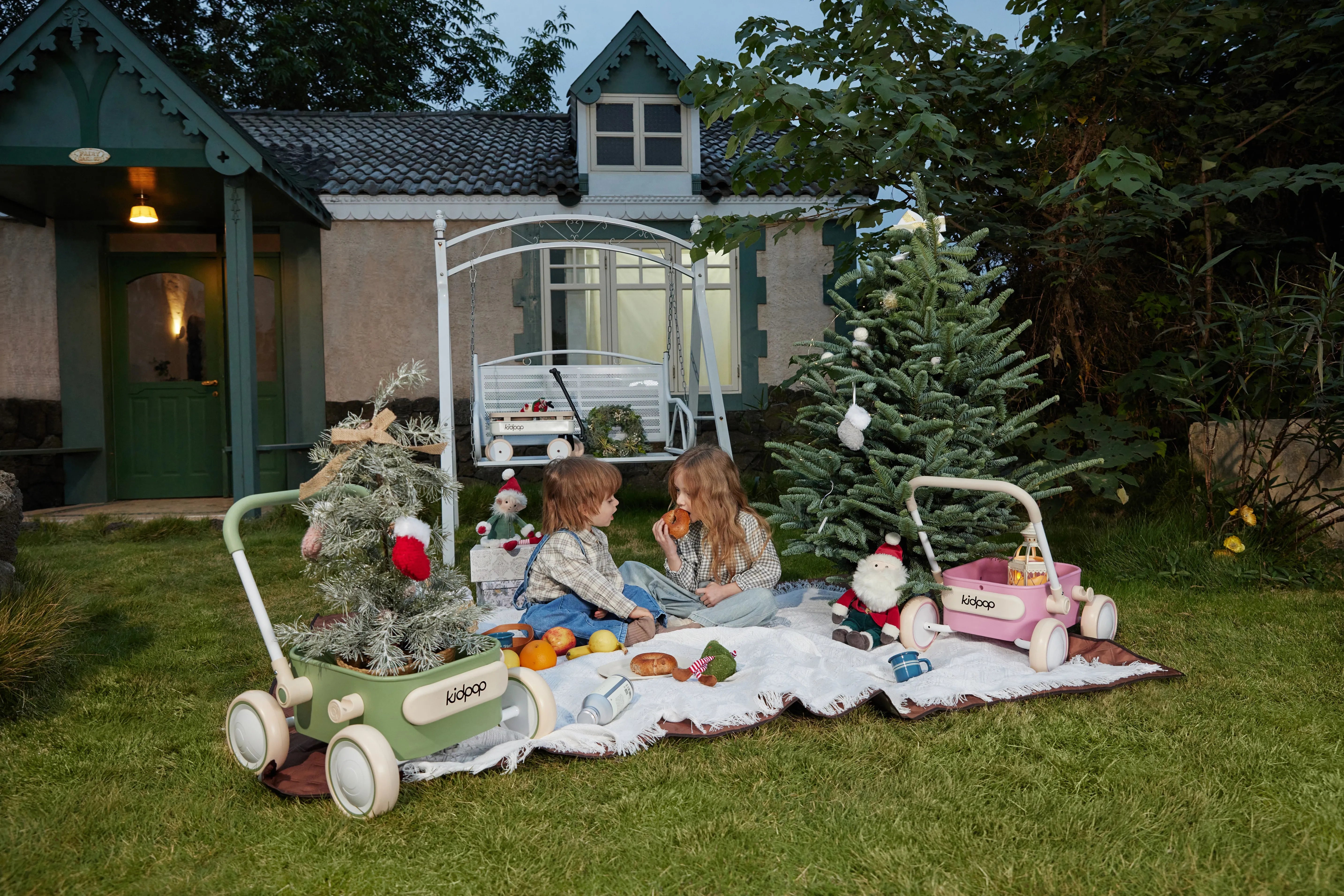
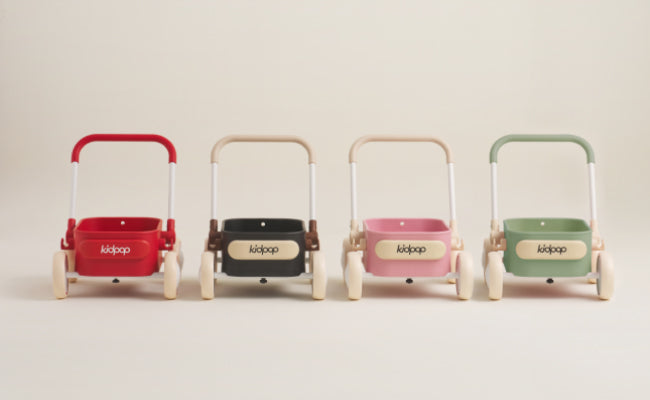
Safety and stability are your priorities here. A heavy, solid push wagon for kids is fantastic because it doesn't tip over easily. Unlike a light plastic toy, a good wagon stays put. You can park it against a wall so it doesn't roll away. Encouraging your baby to pull up on the handle gives them a safe, dedicated spot to practice standing tall without relying solely on the furniture.

Stage 2: Cruising & Coordination (Approx. 10-11 Months)
Once your baby trusts their legs, they will start moving sideways. We call this "cruising." They shuffle along the edge of the couch, hand over hand, foot over foot.
From Sideways to Forward Motion
Cruising teaches the essential art of shifting weight. To move a foot, your baby has to balance entirely on the other one for a second. This is the secret sauce of walking. The goal now is to get them to look forward and move forward, rather than just shuffling side-to-side.
4-Wheel Balance Bikes
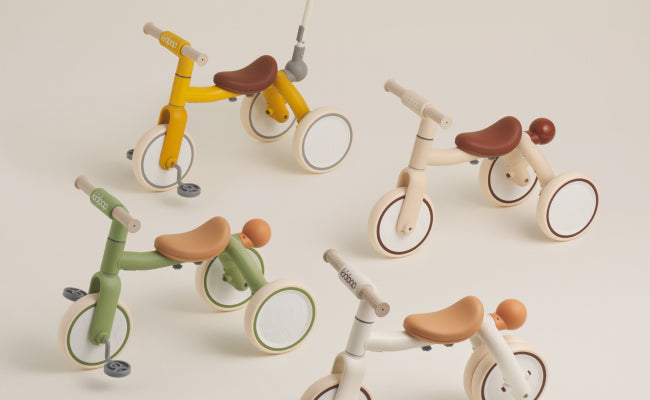
Introducing a push bike for 1 year old toddlers is a smart move right now. A stable, four-wheeled ride-on toy helps them understand forward motion. Sitting on the bike supports their weight, so they don't have to worry about balancing perfectly yet. Instead, they can focus on the motion of pushing their feet against the floor to propel themselves forward. This builds coordination and gets them used to the feeling of momentum.

Stage 3: The "Letting Go" & First Steps (Approx. 11-12+ Months)
As the first birthday nears, many babies are physically ready to walk but mentally hesitant. This is the "letting go" phase, where courage plays a big role.
Overcoming the "Fear of Falling"
Letting go of a stable object is scary. Your baby needs to feel safe enough to take a risk. A soft landing zone helps, but so does a trusted tool that moves with them. They need something that offers support but allows for movement, bridging the gap between holding the couch and walking freely.
Convertible Trikes & Wagons (In Motion)
This is where baby walking toys really shine. You can let them use a push walker or the handle of a convertible trike to walk across the room. The handle offers just enough support to keep them upright, but because it moves, they have to keep stepping to stay with it. It forces them to practice the walking rhythm continuously. A wagon loaded with toys adds resistance, slowing them down so they don't run before they can walk.
Setting the Environment for Success
Your home setup can either help or hinder this process. A few simple changes can make your living room a better training ground.
Create Safe Zones
Look at your floor from a baby's perspective. Slippery socks on hardwood floors are a recipe for slips. Barefoot is best for grip and sensory feedback. Move fragile items off coffee tables and ensure rugs are secured. You want to create a clear "runway" where they can use their push wagon for kids without crashing into obstacles.
Encouragement over Pressure
The question of when do babies start walking often stresses parents out, but try to relax. If you are anxious, your baby will feel it. Cheer for every attempt. If they fall, keep your reaction light and happy. A clap and a smile encourage them to get back up and try again, turning practice into a fun game rather than a chore.

Conclusion: The Right Tool at the Right Stage Makes All the Difference
Helping your baby learn to walk is about observation and support. By identifying which stage they are in—whether they are just pulling up or actively cruising—you can provide the right environment and tools. A stable push wagon for kids offers security early on, while a push bike for 1 year old explorers builds the coordination needed for those first independent steps. Every baby gets there in their own time. Enjoy watching them discover their new abilities, knowing you have given them the best foundation for success.
FAQs About Early Walking Tools
My baby is 12 months and cruising but not walking. Should I worry?
Not at all. While the average is around 12 months, walking anywhere between 10 and 18 months is considered normal developmental range. Cruising proves they are building the right muscles; they just need a bit more time to find their balance.
Are "Sit-in" walkers safe compared to "Push" walkers?
Most experts prefer standing push walker toys over sit-in versions. Sit-in walkers can actually delay walking because the baby doesn't have to support their own weight. A push toy encourages natural posture and muscle use.
Can a balance bike really help a baby learn to walk?
Yes, it helps with the mechanics. Riding a bike strengthens the legs and core. It also teaches the concept of steering and moving forward, which translates well to walking and running later on.
Should my baby wear shoes while using a push wagon?
Indoors, keep them barefoot. This helps the tiny muscles in their feet develop and grip the floor. Outdoors, choose flexible, soft-soled shoes that protect their feet without restricting movement.
How do I stop the wagon from moving too fast?
If the wagon rolls too quickly for your new walker, weigh it down. Put heavy books or blocks in the wagon bed. The extra weight creates friction, slowing the wagon down and giving your baby more stability and control.
