
Advanced Balance Bike Skills for 3-Year-Olds: Fun Challenges to Keep Them Learning
Watching a toddler master a balance bike is a significant milestone. Once your child stops walking the bike and starts gliding with feet up, they have graduated from the beginner phase. However, many parents wonder what comes next. Simply riding in circles can get boring for an energetic three-year-old. Introducing advanced challenges not only keeps the activity exciting but also refines the critical motor skills needed for a pedal bike. This guide outlines fun, safe, and effective ways to level up your child's riding abilities.

Is Your Three-Year-Old an “Advanced” Balance Bike Rider?
Before introducing complex games, you must ensure your child has truly mastered the basics. A balance bike for a 3 year old is designed to be simple, but the skills required to ride it well are nuanced. Moving to advanced challenges too early can cause frustration or unnecessary falls.
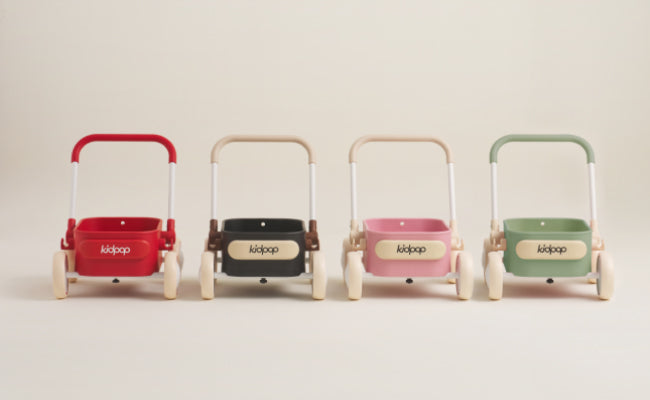
You can consider your child an advanced rider if they demonstrate specific behaviors. First, they should be able to coast with both feet off the ground for long distances (ten feet or more) without wobbling. Second, they should be able to steer the bike while gliding, rather than just when walking it. Finally, they should be capable of stopping safely using the soles of their feet rather than dragging their toes. If they still rely on "walking" the bike while seated, continue focusing on basic gliding before trying the challenges below. For toddlers still building initial walking confidence, a supportive push walker can be an excellent complementary toy.
Core Skills Every Advanced 3-Year-Old Rider Should Practice
To prepare for a pedal bike, a child needs to master three specific mechanics: sustained balance, directional control, and speed management. Advanced practice should isolate these skills.
Sustained Gliding
The primary goal of a balance bike is to teach the brain how to balance on two wheels. At an advanced level, the child should be generating speed and then lifting their feet onto the footrests (if available) or holding them in the air. The longer the glide, the better the balance.
Precision Steering
Beginners turn the handlebars erratically. Advanced riders need to learn to look where they want to go. The bike follows the eyes. Practice should involve smooth, wide turns rather than jerky movements. This prevents "jackknifing," where the handlebars turn too sharply and cause a spill.
Braking Control
Stopping is just as important as going. While most balance bikes rely on feet for stopping, some models for older toddlers come with a hand brake. Teaching a three-year-old to squeeze a hand brake requires significant hand strength and coordination, but it is a valuable skill. If using feet, teach them to plant their heels flat to create friction, which provides a smooth, controlled stop.

Fun Balance Bike Challenges: The Game Library
Drills can feel like work, but games feel like play. Using gamification is the best method for how to teach a kid to ride a bike with confidence. Here are three categories of games designed to test different abilities.
Speed and Reaction Games
"Red Light, Green Light" is a classic that translates perfectly to biking. It teaches reaction time and emergency braking. When you shout "Red Light," the child must stop as quickly and safely as possible. This reinforces the reflex to plant feet flat immediately.
Another excellent game is the "Slow Race." The goal is to reach the finish line last, not first, without putting feet down. This is incredibly difficult for a toddler. It forces them to make micro-adjustments to their balance and steering to stay upright at low speeds.
Balance and Precision Games
Use sidewalk chalk to draw a path. Start with a wide "road" and gradually narrow it down to a single line. Challenge your child to keep their wheels inside the lines. This improves their spatial awareness and prevents them from veering off course.
"Simon Says" on wheels adds a cognitive layer to the physical task. Give commands like "Simon says lift one leg" or "Simon says stand up while gliding." This encourages the child to shift their body weight while maintaining momentum, a crucial skill for handling uneven terrain later on.
Obstacle Course Ideas
Create a simple course using cones or soft household items. Set up a slalom course where they must weave in and out of the cones. This forces the child to lean the bike to turn, rather than just turning the handlebars.
If you have a safe, grassy area, introduce small ramps. You can use a sturdy piece of plywood or buy a small plastic skate ramp. The goal isn't to get "air," but to learn how to absorb the change in elevation by bending their knees and elbows.

Safety Rules for Advanced Games
As your child gets faster and bolder, the risk of injury naturally increases. Advanced riding requires stricter safety protocols than indoor shuffling.
- Helmets are Non-Negotiable: A properly fitted helmet is essential. At higher speeds, a fall can result in significant impact. Ensure the helmet sits level on the forehead and does not slide back.
- Proper Footwear: Sandals and Crocs are dangerous for advanced riding. Your child needs closed-toe sneakers with good grip. Since their feet are their brakes, durable rubber soles are required to stop effectively without injuring toes.
- Controlled Environment: Advanced games should happen in enclosed areas like fenced driveways, empty tennis courts, or parks. Never practice speed drills near active roadways or steep driveways where a child could lose control and roll into traffic.
In winter months, the environment check becomes even more critical — riding balance bikes safely in snow and cold requires a separate set of surface and temperature considerations before heading outside.
Tracking Progress and Practice Frequency
You do not need a stopwatch or a clipboard to track progress. Improvement on a balance bike is visual. Look for the "feet-up" time. A month ago, they might have glided for two seconds; now, they might glide for ten. Watch their confidence in corners. Are they slowing down to a walk to turn, or are they leaning into the turn while gliding?
Consistency is more effective than duration. A three-year-old has a limited attention span. It is better to have 15 minutes of focused, fun play every day than a forced one-hour session on the weekend. If the child seems bored or tired, stop immediately. Pushing through fatigue leads to sloppy form and accidents, which can damage their confidence.

When to Transition to a Pedal Bike
The ultimate goal of these advanced games is to make the transition to a pedal bike seamless. Many parents ask, "how to teach a kid to ride a bike with pedals?" The answer is that you have already done 90% of the work with the balance bike.
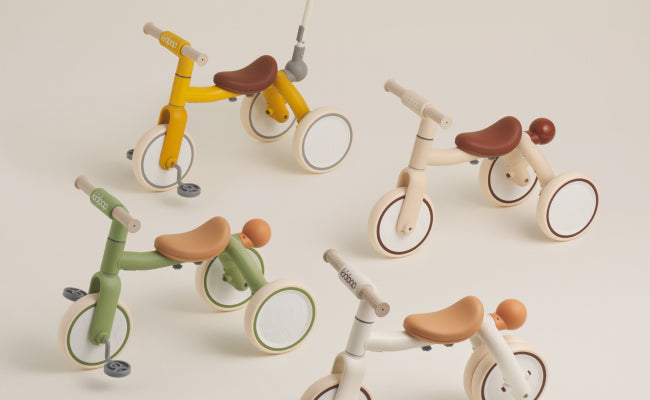
If your three-year-old can glide for long distances, weave through cones, and stop on command, they have mastered balance. The only new skill required for a pedal bike is the circular motion of pedaling. Because they are not fighting to stay upright, they can focus entirely on their feet. Many advanced balance bike riders skip training wheels entirely and start riding a pedal bike within 15 minutes of their first attempt. This newfound confidence makes them ready for various pedal vehicles, including our popular toddler tricycles that grow with them.
Mastering Balance Bike Skills: Your 3-Year-Old's Path to Pedal Bikes
Transforming your three-year-old into an advanced balance bike rider is about more than just speed; it is about control, confidence, and fun. By introducing games like "Red Light, Green Light" and setting up simple obstacle courses, you turn exercise into play. These challenges refine the motor skills necessary for the next step in their cycling journey. Keep the sessions short, prioritize safety, and celebrate the small victories. Before you know it, they will be ready to trade their gliding shoes for pedals.

FAQs about Balance Bike Skills for Three-Year-Olds
Q1: How do I know if my 3-year-old is ready for advanced balance bike games?
A: They’re ready when they stop walking on the bike and begin running and gliding on it instead. That’s because if they can balance while keeping their feet off the ground for 3 to 5 seconds without falling over, then they’ve achieved enough balance to complete more daunting tasks successfully. However, many experts suggest that a longer glide of 10-15 seconds is a more reliable indicator of readiness for advanced skills.
Q2: How long should a single balance bike session last for a 3-year-old?
A: It shouldn’t be too long. The limit of active fun rides suited for toddlers' physical ability and intellectual concentration would be 15 to 20 minutes only. It’s vital to stop when they’re still enjoying it because they need to eagerly wait for the next adventure.
Q3: Are obstacle courses and small ramps safe for a 3-year-old on a balance bike?
A: Yes, if the obstacles are fixed and low to the ground. Ramps can start just a few inches high at first.
Q4: What are the best balance bike games to improve speed control for 3-year-olds?
A: “Red Light, Green Light” games are more suited for stop-and-go movements. “Slow Race,” on the other hand, has far superior slow-speed control that requires more composure than fast-speed control.
Q5: When should we move from a balance bike to a small pedal bike for a 3-year-old?
A: Progress to pedals when they know how to glide, steer, and brake well. Ability matters more than age at this stage. Since they know how to ride a 12-inch pedal bike and balance well, they can move regardless of their age: 3 or 4 years old.
