
Balance Bike Weight Chart: The Ultimate Guide for Ages 2-5
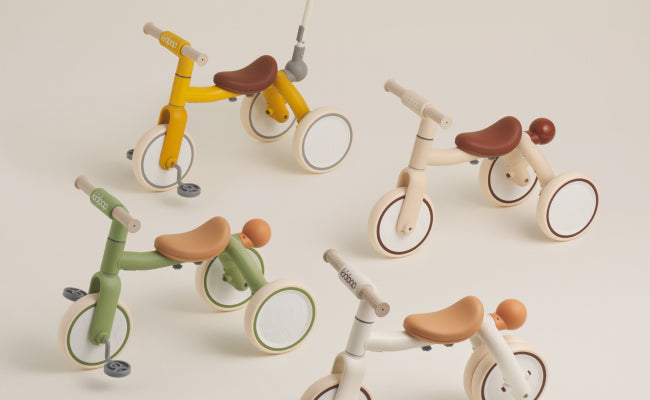
Beyond color and style, parents often struggle with size and weight. A bike that is too heavy can be difficult to control and discourage the child from riding. Finding the right balance between durability and maneuverability is essential for building confidence. This guide provides an ultimate balance bike weight chart for children aged 2 to 5, offering tips on measuring inseam and understanding the materials that contribute to lightweight design. It also explains what features make a baby balance bike truly easy for little ones to handle.
What Weight Is Best? The 30% Rule Explained
Many parents wonder, "how heavy is too heavy?" A useful guideline is the 30% rule. A kids bike sizes should not weigh more than 30% of your child's body weight.
A bike that exceeds this limit becomes difficult for the child to lift, maneuver, and control, especially in a fall. Imagine trying to hold up an object that weighs nearly a third of your own weight while trying to balance and steer. It is exhausting and frustrating. For instance, a child weighing 30 pounds should ideally ride a bike that weighs no more than 9 pounds. This ratio provides a good balance of stability and ease of handling.
Reference Chart: Balance Bike Weight & Size for 2-5 Year Olds
This chart provides average weights and inseam measurements for children aged 2 to 5 to help you select a properly sized baby balance bike.
| Age (Years) | Average Weight (lbs) | Average Inseam (inches) | Ideal Bike Weight (lbs) |
| 2 | 26-31 | 12-15 | Under 9 |
| 3 | 31-36 | 14-17 | Under 11 |
| 4 | 36-41 | 16-19 | Under 12 |
| 5 | 41-45 | 18-21 | Under 14 |
(Note: These are average values. Always measure your child's inseam for the most accurate fit.) The fit, comfort, and skill of your child are more important than a perfect number.
How to Measure Your Child’s Inseam for the Perfect Fit
Inseam is the most critical measurement for bike sizing. It determines the minimum seat height needed for your child to reach the ground comfortably.
The Book Method
Have your child stand with their back against a wall, wearing shoes they would normally wear while biking. Place a thin book between their legs, snug against their crotch, simulating the seat of a bike. Mark the top edge of the book on the wall. Measure from the floor to the mark on the wall. This is your child's inseam.
Calculating Seat Height
When choosing a kids bike sizes, the seat height at its lowest setting should be equal to or slightly less than their inseam. This allows them to place their feet flat on the ground while sitting on the seat, which is essential for balance and control. If the seat is too high, they will struggle to touch the ground, making them nervous and unstable.
Why Does Frame Material Matter?
The material used to build the frame has a huge impact on the overall weight and durability. The two most common materials are nylon-glass fiber composites and aluminum.
Nylon Glass Fiber
This is a type of plastic reinforced with glass fibers. It is lightweight, durable, and relatively inexpensive. Bikes made from this material are often very affordable and are a good choice for younger children just learning to ride.
Aluminum
Aluminum is stronger and lighter than steel. It allows for thinner frame tubing, which reduces weight even further. However, aluminum frames are usually more expensive than plastic ones. For older children who are developing more advanced skills, an aluminum bike offers better performance and longevity.
Focus on Integrated Design for Maneuverability
Beyond just the frame material, the overall design of the baby balance bike affects how easy it is to use. The best designs focus on simplicity and smooth integration.
Look for a bike with a streamlined frame that lacks protruding bolts or sharp edges. This reduces the risk of scrapes and bumps if the child falls. Smooth curves and an integrated footrest give the bike a clean look and make it more comfortable to carry.
The reach and height of the handlebars are just as crucial as the seat height. The child should be able to reach the handlebars comfortably without leaning too far forward or hunching over. Adjustable handlebars allow you to fine-tune the fit as the child grows.
Why a Light Bike is a Lifesaver for Parents
The weight of the bike is not just a factor for the child; it also matters to the parent. You will inevitably have to carry the bike at some point. Whether the child gets tired, loses interest, or simply wants to walk, you do not want to be stuck lugging a heavy piece of equipment.
Look for bikes that weigh 7 pounds (3.2 kg) or less. Lighter bikes are much easier to carry over long distances. Some models even have integrated handles in the frame, making them easier to grip and transport.
Conclusion: Finding the Perfect Balance
When it comes to picking a baby balance bike, it is all about finding a good middle ground when it comes to finding a bike that is strong, safe, and light in weight. The rule of thumb known as the 30% rule is a good way to ensure that the bike is suitable for your kid, in addition to knowing the inseam of your kid for proper fitting of the bike. Pay attention to what type of material the frame is made of, as well as features of the product that are parent-friendly, to help facilitate this transition. By putting emphasis on such aspects, you will be able to help your child have fun learning to balance and gain more confidence, as well as develop skills throughout their lifetime.
FAQ
Can a heavier bike help with stability?
Although a heavier bicycle may offer greater stability on flat surfaces, heavier bikes are more difficult to handle, especially on uneven surfaces. Lighter bikes are easier to correct and maneuver, which is much better for beginners.
Is it better to have air-filled tires or foam tires on a balance bike?
The tires are more cushioned and have better traction when filled with air. They are also more comfortable when riding on rough surfaces. Foam tires are lighter and puncture-resistant. However, they may be uncomfortable when riding on rough surfaces. The lightness of foam tires may be more ideal for young children.
What if my child is between sizes?
Select the smaller size. It is much better if the child begins with a bike that is a little too small rather than a little too large. They can easily upgrade later on once they are able to manage their balance and coordination.
How long do kids typically use balance bikes?
Most children use a baby balance bike for about one to two years, typically between the ages of 2 and 4. By age 4 or 5, they are usually ready to transition to a pedal bike without training wheels.
What other safety gear is recommended for balance bikes?
A properly fitted helmet is imperative. Knee pads and elbow pads are also important to consider if your child is new to riding, because they will be falling often while learning. Visibility is important, and brightly colored clothing will help your child be more visible to car drivers and pedestrians. Closed-toe shoes are also important to consider to safeguard their feet while scooting and gliding.
