
How a Lightweight Balance Bike Teaches Toddlers to Clean Up After Themselves
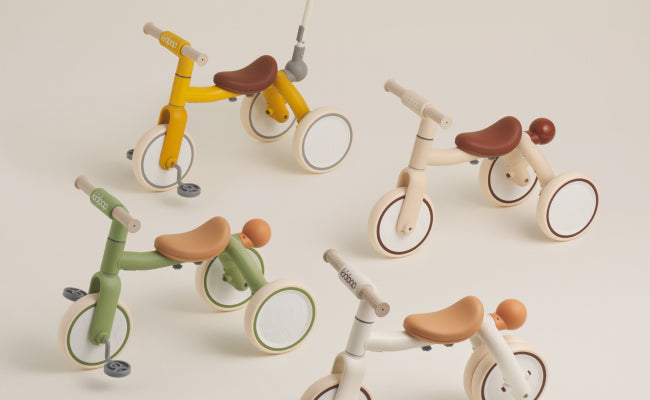
Parenting a toddler seems to be an endless battle of picking things up. Blocks are thrown around the room, jackets are discarded in the middle of the floor, and teaching responsibility to our children at this young age seems to be an impossible feat. We spend so much time teaching our children to clean up around the house, but the great outdoors can also play an important role in teaching our children to be responsible. The interesting thing is that something as simple as a toy for our toddlers to ride could be the key to teaching our children to be independent. The lightweight balance bikes designed for toddlers are more than just a way for our children to learn to ride bikes; they are a way for our children to be independent.

Why Does Weight Matter for Independence?
The relationship between the weight of the toy and the independence of the child is obvious. If the toy is too heavy for the child to move around the room, the child is forced to rely on adults to do the "heavy lifting."
When the toddler's push bike is cumbersome and heavy, the parent will always carry it to the garage. The child will run to the house, leaving the work to mom or dad. However, with a light toddler push bike, which may weigh as little as 7 pounds, the tables are turned. The two-year-old can lift the push bike over the curb or drag it across the grass. The physical ability to do so takes away the excuse "I can't." When they can do it, you can tell them they should do it.
Establish the "Park It" Routine
First off, you need to establish a place for the toddler's push bike. The place for the shoes by the door is just like the place for the toddler's push bike.
Establish a place for the toddler push bike by marking off an area with chalk or by using masking tape to mark off the "parking box." The visual aid turns the act of putting the push bike away into a game. It becomes the rule that the toddler push bike has to be put away inside the box for the child to go inside the house or to have a snack. Since the push bike is light enough for the child to handle, the child can position the push bike into the perfect position.

How to Turn Cleanup Into a Game
Toddlers respond better to play than to orders. Since they can easily handle a lightweight bike, you can incorporate it into cleanup games.
The "Pit Stop" Challenge
Tell your child they are a race car driver coming in for a pit stop. The pit stop isn't complete until the bike is safely stored. Time them to see how fast they can (safely) bring the bike from the driveway to its parking spot.
The Obstacle Course
Set up a simple path they have to navigate to put the bike away. They might have to weave around a bucket or go under a string. This builds their steering skills while achieving the goal of cleaning up. The lightweight nature of the balance bike for toddler riders ensures they don't get frustrated or stuck during the game, keeping the mood positive.
Teach Respect for Possessions
When a child physically handles their bike, they develop a connection to it. It becomes "theirs" in a tangible way.
After parking, hand them a rag to wipe down the frame. A lightweight bike is easy for them to hold steady with one hand while cleaning with the other. Explain that cleaning off the mud keeps the bike fast and cool. This simple act of maintenance teaches them that their belongings have value and require care. It shifts their mindset from being a passive consumer of toys to an active owner.

Handle "I'm Too Tired" Meltdowns
We have all been there: the walk home from the park when the child refuses to move. This is often when parents end up carrying everything.
A lightweight toddler push bike is a lifesaver in this scenario. Even a tired child can usually be coaxed to push a light bike, whereas a heavy one is a non-starter. Encourage them by saying, "I know you are tired, but your bike is light and you are strong."
If they truly cannot ride, ask them to push it by the handlebars like a shopping cart. This keeps them responsible for transporting their gear home, reinforcing the rule that "we bring back what we bring out."
Why Consistency is Key
Building a habit takes repetition. You must be consistent with the expectation that they handle their bike.
It is often faster to just grab the bike and hang it up yourself. Resist this urge. Patience is required. Wait for them to pick it up, even if they struggle for a moment. Offer verbal guidance ("Try lifting the handlebars first") rather than physical intervention. Every time they successfully put their toddler bike away on their own, the neural pathway for responsibility is strengthened. Over time, it becomes automatic.
Recognize the Long-Term Benefits
The lessons learned with a balance bike extend far beyond the driveway.
A child who learns to put away their bike is more likely to put away their shoes, backpack, and toys. They understand the concept of a task having a beginning (riding) and an end (cleaning up). They learn that they are capable agents in their environment. This confidence in their own ability to manage their physical world is a cornerstone of self-esteem and independence as they grow.
Conclusion: Empowering Independence Through Play
A basket is not merely an item used in storage but rather a catalyst that can help foster creative development. With the inclusion of some creative storylines or props, the otherwise dull task of riding around the driveway can become an intellectual exercise. From delivering mail or saving animals to having a mobile picnic, the opportunities are vast. This not only promotes the development of crucial motor skills but also intellectual logic. Encourage your child to view their bike with a basket as a storytelling device. Not only does this keep them occupied, but also intellectually engaged.

FAQ
At what age can a child start putting their bike away?
Your child can begin as soon as they learn to ride a bike. This is usually between 18 months and 2 years old. If they can ride a bike, they can also push it to a parking spot as long as it is a lightweight bike.
What if the bike doesn't have a kickstand?
Most toddler bikes do not come with a kickstand. Teach your child to lean it against a wall or on the grass. Make sure they learn to lay it down softly on its side rather than dropping it on the ground.
How heavy should a toddler bike be?
It is recommended that a bike be no more than 30% of a child's weight. For most children, a bike that weighs less than 7 or 8 pounds is something they can easily move on their own.
Will this really help with indoor chores?
The idea that 'everything has a special place' is something that children can learn and use everywhere. By making a routine outdoors, you are more likely to instill similar routines in indoor toys and clothes.
What if my child refuses to clean up?
You can use bike time as a bargaining chip. 'We can ride tomorrow if the bike is safe at home tonight.'
