
How to Choose the Best Kids Bikes Under $100: A Budget Gift Guide
Finding the perfect gift for a young child often leads parents down the aisle of sporting goods. A bicycle represents freedom, growth, and hours of outdoor entertainment. However, pricing can be a major hurdle. Many parents assume that quality comes with a high price tag, but the market has changed. You can now find excellent, safe, and durable options without breaking the bank. This guide explores how to select high-quality kids bikes under $100 that ensure safety and fun. We will look at sizing, features, and specific recommendations to get your little one rolling.
1. Assess the Quality of Affordable Bikes
Many shoppers worry that a lower price point means compromising on safety. While it is true that professional racing bicycles cost thousands, a baby bike or toddler cycle does not require carbon fiber materials. Manufacturers today produce sturdy steel and aluminum frames that fit within a modest budget.
The key to finding the best budget kids bike is understanding where the costs are cut. Usually, these bikes use simpler components. They might lack suspension systems or multiple gears, which young children do not need anyway. A rigid frame and single-speed gear setup are actually better for beginners because they are durable and require less maintenance.
When looking at kids bikes under $100, focus on the frame welds and the tire quality. A solid steel frame will withstand the inevitable drops and crashes that come with learning to ride. As long as the basic construction is sound, a budget-friendly bike can be just as safe as a premium model.

2. Choose the Right Style for Your Child
Navigating the world of kids bikes can be confusing because there are several distinct types. The right choice depends entirely on the age and physical ability of your child.
The Balance Bike
A balance bike is a two-wheeled bicycle without pedals or a chain. The child sits on the saddle and pushes the ground with their feet to move. This design teaches the most difficult part of cycling: balance. By removing the complexity of pedaling, toddlers learn to steer and glide much faster. These are excellent for children aged 18 months to 4 years.
The Tricycle
Trikes provide maximum stability. They are ideal for children who are not yet ready to balance on two wheels. Modern tricycles often come with push handles for parents, functioning as a stroller-bike hybrid. This allows the child to practice the pedaling motion without the fear of tipping over.
The Standard Pedal Bike
Once a child has mastered balance, they graduate to a standard pedal bike. For the best budget kids bike in this category, look for coaster brakes (pedal-backwards brakes). Hand brakes can be difficult for small hands to grip with enough force.
3. Inspect Key Features Before Buying
To get the best value, you must look closely at specific features. The weight of the bike is the first factor to consider. A heavy bike is hard for a child to maneuver and pick up if they fall. Look for models that use lightweight steel or heavy-duty plastic composites.
Tires are another critical component. You will generally find two types: pneumatic (air-filled) and EVA foam. Air-filled tires provide better traction and cushioning, making them great for outdoor use on uneven pavement. Foam tires are puncture-proof and lightweight, which is ideal for a baby bike used primarily indoors or on smooth driveways.
Adjustability is the final key feature. Children grow rapidly. Ensure the seat post and handlebars are adjustable. A bike that can grow with your child for two or three years offers significantly better value than one they outgrow in six months.

4. Measure Your Child Correctly
One of the biggest mistakes parents make is buying a bike that is too big, thinking the child will "grow into it." This is dangerous. If a child cannot touch the ground with their feet, they cannot control the bike.
To find the right size, measure your child's inseam. For a balance bike, the seat height should be about one inch shorter than the child's inseam. This allows their feet to rest flat on the ground with a slight bend in the knee.
For pedal bikes, the child should be able to touch the ground with the balls of their feet when sitting on the saddle. Wheel size is also a standard measurement. A 12-inch wheel is typical for toddlers, while 14-inch and 16-inch wheels suit preschoolers. Correct sizing ensures confidence and safety.
5. Discover Versatile Options from Kidpop
If you are looking for specific recommendations that combine value with versatility, the Kidpop line offers excellent choices. They focus on adaptability, ensuring the product remains useful as your child grows.
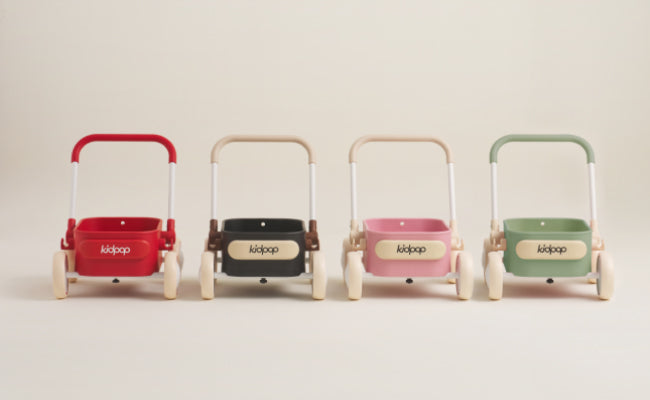
Kidpop TOAST Baby Balance Bike
This is an ideal entry-point baby bike for toddlers aged 1 to 4 years. It is designed to accommodate heights between 80–110 cm. The Kidpop TOAST Baby Balance Bike stands out because of its dual functionality. It transforms effortlessly from a ride-on mode to a push cart.
The design focuses on comfort and quiet use. It features a soft, plush-like seat and silent anti-slip wheels, making it suitable for indoor riding without scratching floors. A spacious storage basket allows toddlers to bring their favorite toys along, adding an element of play to the ride.
Kidpop PONY 4-in-1 Kids' Tricycles
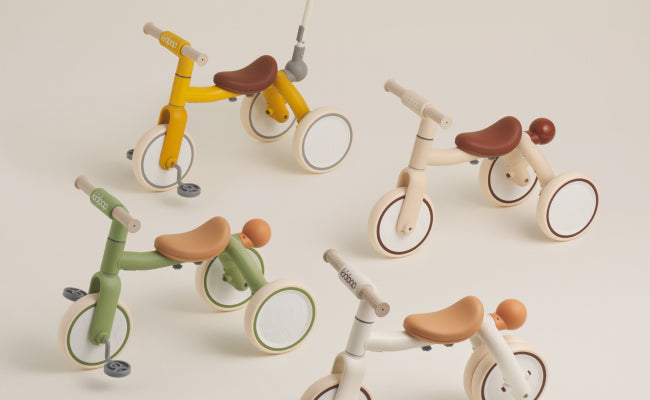
For parents seeking a distinct all-in-one solution among kids bikes, the PONY is a strong contender. It serves children aged 2 to 4 years and fits heights of 80–110 cm. The "4-in-1" designation refers to its ability to adapt as a balance bike, push bike, tricycle, or scooter.
It features easy-to-attach pedals and a removable parent push bar. This allows parents to guide the child initially and remove the assistance as the child gains confidence. With adjustable seat settings and eco-friendly non-slip tires, the Kidpop PONY 4-in-1 Kids' Tricycles is a leading contender for the best budget kids bike due to its sheer versatility.

6. Teach Your Child to Ride Safely
Buying the bike is only the first step. Teaching your child to ride safely is equally important. Start in a flat, open area away from traffic. A grassy park or a smooth, empty tennis court is perfect.
If you are using a balance bike, encourage the child to walk with the bike between their legs first. Once they are comfortable, encourage them to sit and push. Challenge them to lift their feet for a second to glide. This builds the core muscles needed for stability.
For pedal bikes, focus on starting and stopping. Teach them to use the brakes before they learn to go fast. Always equip your child with a properly fitting helmet. Knee and elbow pads are also recommended for the first few weeks of riding kids bikes under $100 or any price range.
7. Maintain the Bike for Longevity
Inexpensive bikes require maintenance to stay safe and functional. Since kids bikes take a lot of abuse, you should perform a safety check before every ride.
Check the handlebars to ensure they are tight and aligned with the front wheel. Loose handlebars are a common cause of accidents. If the bike has air tires, check the pressure regularly. Under-inflated tires make the bike hard to pedal and control.
For the chain, keep it lubricated and free of rust. If the bike has foam tires or plastic wheels, inspect them for cracks or flat spots. Keeping the bike clean and stored indoors will significantly extend its lifespan, ensuring it can perhaps be passed down to a younger sibling.
8. Find Safe Places to Practice
The environment where a child learns to ride affects their confidence. Avoid sidewalks with many driveways, as cars backing out may not see a small child on a baby bike.
Dedicated bike paths in parks are excellent because they are free of motor vehicles. School playgrounds on weekends are also great options. These areas usually offer wide, paved surfaces where children can wobble and correct themselves without hitting obstacles.
Creating a fun obstacle course with cones or chalk drawings can help children improve their steering skills. This makes practice feel like a game rather than a lesson.

Conclusion: Affordable Fun on Two Wheels
Supplying your kid with the first wheels is definitely a milestone. You do not have to spend a lot of money on creating these memories for your kid. Understanding the various types of cycles for kids and paying close attention to necessary safety features will ensure you get an excellent kids’ bike for under $100. Whether you get your munchkin a balance bike for beginners or a multi-function bike, such as the various Kidpop bikes available, your aim should be to encourage physical activity.
FAQ
Q1: Are foam tires or air tires better for a toddler bike?
A: Foam tires are perfect for a baby bike or toddler bike used indoors or on paved surfaces since they are puncture-proof and lightweight. Nevertheless, if you are cycling on grass or on a gravel surface, air tires are much better.
Q2: At what age should a child start using a balance bike?
A: It is important to note that most children can begin using a balance bike as early as 18 months or begin once they can walk confidently. This is considered a more intuitive way to learn balancing skills than a tricycle.
Q3: Is a 4-in-1 bike worth the money compared to buying separate bikes?
A: Yes, usually. A versatile bike such as the Kidpop PONY is the best value for money kids bike option, as it eliminates the need to purchase a different bike for a kid that is a tricycle, a balance bike, or a scooter.
Q4: How do I know if a bike is too heavy for my child?
A: One guideline is that the weight of the bicycle should never be more than 30% of the child's weight. If the child has difficulty picking the bicycle up when lying flat on the ground, then the bicycle is probably too heavy for the child to ride safely.
Can I add training wheels to a balance bike later?
Ordinarily, no. It is made that way to help the child balance in order for them to avoid training wheels altogether. It’s not possible for training wheels to be supported by the design or framework in the balance bike.
