
The Best Balance Bikes of 2026: Why Lightweight is the #1 Trend for Parents
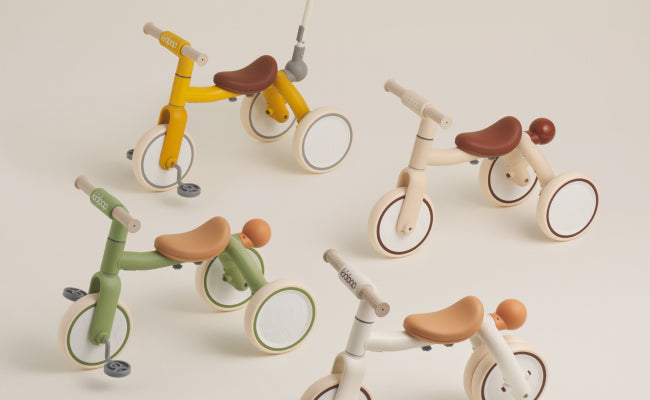
As we look toward 2026, the world of children's toys is shifting dramatically. While flashy gadgets and complex features often grab attention, the most significant trend in outdoor play is actually about subtraction. Parents are increasingly prioritizing one key feature above all others: weight. The modern balance bike for toddlers is becoming lighter, sleeker, and easier to handle. This shift isn't just about convenience; it fundamentally changes how children learn to ride and how parents experience those early milestones. This guide explores why lightweight design has become the number one priority for families everywhere.
1. Easier for Toddlers to Control and Maneuver
The primary benefit of a lightweight bike is the immediate boost in confidence it gives a child. When a bike is heavy, it feels like an obstacle rather than a tool.
Imagine a two-year-old trying to lift a bike that weighs half as much as they do. It is exhausting and discouraging. A lightweight frame removes this physical barrier. A child can easily pick the bike up off the ground if it falls over. They can turn the handlebars without struggling against the weight of the front wheel. This ease of movement allows them to focus entirely on the core skill: balancing. They spend less energy fighting the equipment and more energy learning to glide.
2. Reduces Fatigue on Long Walks
For parents, a walk to the park can quickly turn into a carrying exercise. Toddlers have boundless energy in short bursts, but they tire easily.
We have all seen the parent walking home, carrying a tired child in one arm and dragging a heavy bike in the other. A lightweight balance bike for toddlers changes this dynamic. If the child decides they are done riding halfway through the walk, picking up a 6-pound bike is effortless compared to lugging a 10-pound steel frame. It transforms a potential burden into a minor inconvenience, encouraging parents to bring the bike along more often without dreading the return trip.

3. Improves Safety During Falls
Learning to ride involves falling. It is an inevitable part of the process. The weight of the bike plays a significant role in how safe those falls are.
If a heavy bike tips over onto a child's leg, it can cause bruises and tears. A lightweight bike, made from materials like magnesium alloy or high-grade plastic, lands with much less force. It is easier for a small child to push the bike off themselves and stand back up. This reduces the fear of falling, which in turn encourages them to try again immediately. A safer experience leads to faster learning and a more positive association with outdoor activity.
4. Encourages Independence and Ownership
Children love to do things "by themselves." A bike they can physically manage promotes a sense of autonomy that is crucial for development.
When a child can lift their bike over a small curb or drag it across the grass without help, they feel powerful. They do not need to constantly ask for assistance to move their toy. This independence fosters a sense of ownership. They are more likely to take care of the bike and initiate playtime on their own. A balance bike for toddler use that is too heavy becomes a "parent-child" activity, whereas a lightweight one becomes a "child-led" adventure.
5. Allows for Longer Riding Sessions
Stamina is limited in young children. Heavy equipment drains their energy reserves quickly, cutting playtime short.
Because a lightweight bike requires less effort to propel forward, children can ride for longer periods before getting tired. They can keep up with older siblings or parents on a walk without becoming exhausted after ten minutes. This extended practice time accelerates their skill development. They get more "time on wheels" per session, which leads to a faster transition to a pedal bike later on. It turns a quick loop around the driveway into a full afternoon of exploration.

6. Adaptability to Different Terrains
A heavy bike sinks into soft ground and is hard to push uphill. A lighter frame opens up new environments for exploration.
With a lightweight design, a toddler can easily push the bike up a small grassy hill to glide down the other side. They can navigate gravel paths or dirt trails without getting stuck. This versatility makes the baby balance bike useful in parks, campgrounds, and backyards, not just on perfectly paved sidewalks. It encourages children to explore nature and develop their motor skills on uneven surfaces, which is excellent for their overall physical coordination.
7. Conclusion: Choosing Freedom with Lightweight Design
This shift in the focus to lightweight balance bikes in 2026 is based on the benefits that the bikes provide to the child and the parent. From increased safety to the happiness that comes with an easy walk home, the reduction in the weight of the bike is an added value to the experience. Parents can therefore invest in the happiness and freedom of the toddler by opting for the lightweight balance bike, an idea that comes with enormous benefits.

FAQ
What is considered "lightweight" for a balance bike?
Typically speaking, a bike that weighs less than 7 pounds is considered lightweight. Some bikes are so lightweight that they weigh just 5 or 6 pounds; this is suitable for the youngest riders (ages 18 months to 2 years).
Are lightweight bikes less durable than heavy steel ones?
Not necessarily. Materials such as anodized aluminum, magnesium alloy, and glass-fiber-reinforced nylon are extremely durable and light. They are also rust-resistant and will hold up to the rough play of a toddler much better than lower-cost steel.
Does a lighter bike make it harder to balance?
Not. While some people believed that weight provides stability, it is more crucial for a toddler to have a manageable bike. A bike that can easily be corrected and steered will help a toddler easily discover their balance point, rather than a heavy bike that would pull them down.
Is it worth paying more for a lightweight frame?
Yes. If you are going to be walking for extended periods of time or if the child is small, the difference in weight is definitely noticeable. This ease of use will often correlate with the child wanting to ride the bike instead of leaving it in the garage.
Can I add accessories to a lightweight bike?
Yes, but be aware of the weight. Adding a heavy basket, bell, and water bottle holder will offset the advantages of a lightweight frame. Select accessories that are light or limit the equipment as the child is learning the fundamentals.
