
The Montessori Way: Why 'Pushing' Beats 'Sitting' for Early Walkers
The Montessori method emphasizes freedom of movement and self-directed learning, highlighting a significant difference between sitting in a device and actively pushing one. This guide explains why pediatric experts prefer a pushable walker over traditional seated models.
By understanding these mechanical differences, you can choose the right tools to safely support your child’s gross motor skills and build their walking confidence.
Why Sitting Can Delay Walking
For decades, parents relied on the traditional seated baby walker to keep infants entertained and mobile before they could walk independently. However, these devices act as "containers" that restrict natural movement and often delay critical developmental milestones.
Unnatural posture and muscle use
When a baby sits in a suspended fabric seat, they cannot see their legs or feet. This lack of visual feedback prevents them from understanding how their body interacts with the floor. More importantly, the seated position forces them to scoot forward using only their tiptoes. This unnatural movement strengthens the wrong lower leg muscles and completely bypasses the glutes and core muscles essential for true, independent walking.
Bypassing crucial developmental steps
A seated baby walker artificially supports the child’s entire body weight. Because they do not have to balance themselves, they never learn how to shift their weight from side to side. They miss out on the crucial "cruising" phase, where a baby typically holds onto furniture and steps sideways to build hip strength. When parents finally remove the child from the device, the baby often lacks the core stability required to stand unassisted, leading to delayed independent walking.
Discover Why "Pushing" Wins: The Science of the Wagon
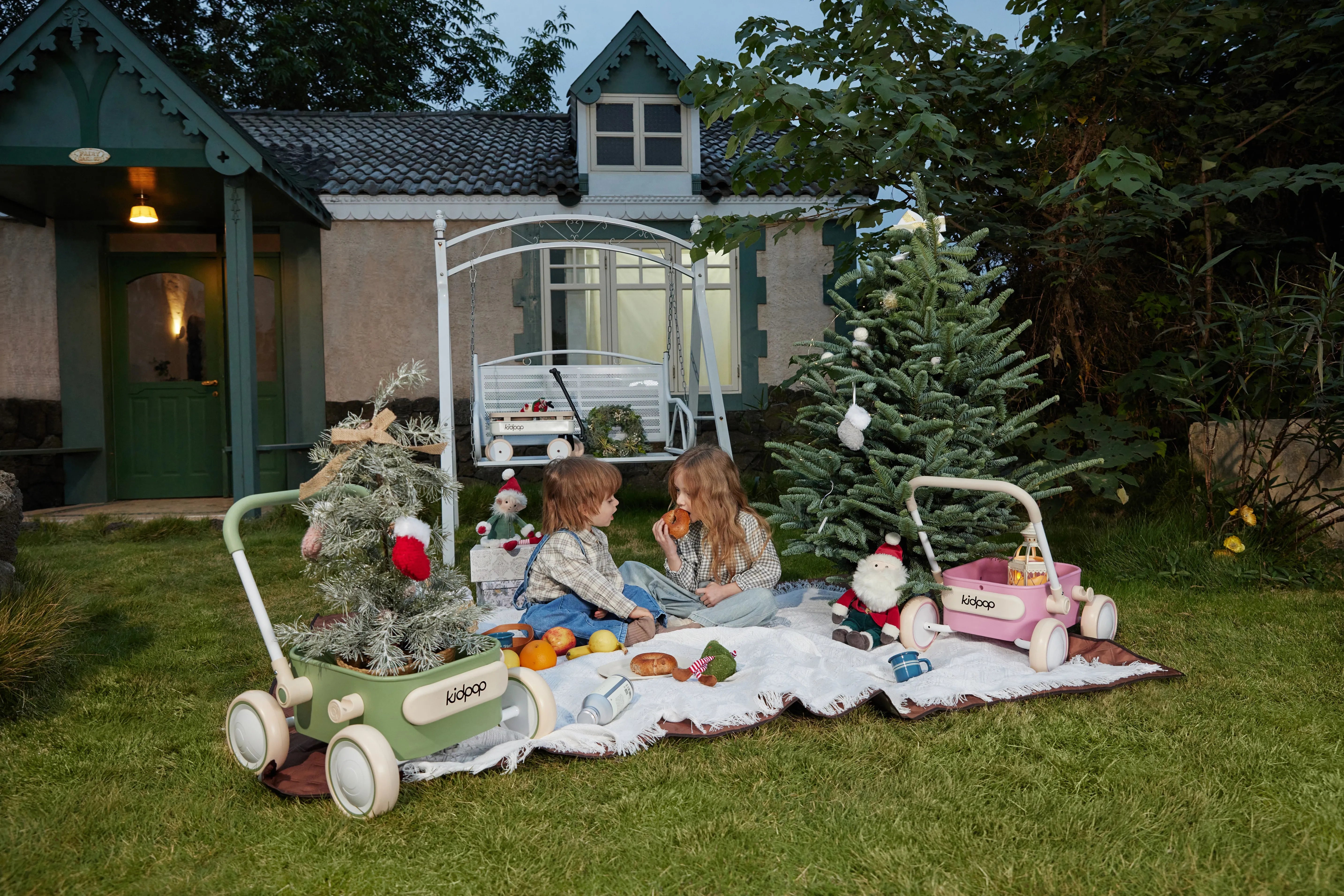
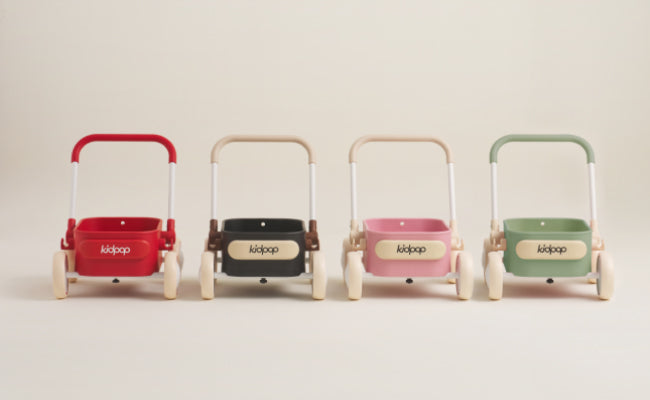
In contrast to seated devices, the Montessori approach strongly advocates for tools that require the child’s active participation. A pushable walker or a sturdy wooden wagon aligns perfectly with this developmental approach.
Build core strength and balance
When a child uses the best baby wagon, they must pull themselves up to a standing position using their own muscle power. The wagon provides stability, but the child must actively engage their core to stay upright. As they push the wagon forward, they practice planting their feet flat on the ground and shifting their weight naturally from one leg to the other. This active engagement mimics the exact mechanics of independent walking.
Encourage self-directed movement
A pushable walker allows the child to control the pace and direction of their movement. If they feel unsteady, they can simply let go and sit down safely on the floor. This autonomy builds immense physical confidence. They learn to gauge their own speed and navigate around obstacles in the living room, developing crucial spatial awareness that seated devices completely inhibit.
Continue the "Freedom" Beyond the First Steps
The usefulness of a push device extends far beyond those initial wobbly steps. Once a child masters independent walking, their developmental needs shift toward heavier physical work and complex coordination.
A versatile baby activity walker or wagon continues to serve as a valuable tool. Toddlers enter a phase where they love to transport objects. They will eagerly load their wagon with heavy books, stuffed animals, or wooden blocks and push it across the house. This "maximum effort" play satisfies their natural urge to exert physical energy and test their own strength.
Pushing a heavy load requires significant effort and provides excellent sensory feedback to their joints and muscles (proprioception). It helps them refine their balance while walking on different surfaces, such as transitioning from a living room rug to a smooth kitchen floor. Therefore, investing in the best baby wagon means purchasing a toy that adapts to your child’s growing physical abilities for several years, rather than a device they outgrow in three months.
Evaluate What Makes a Toy "Montessori-Approved"
True Montessori materials share specific characteristics that promote focused, independent learning without overwhelming the child’s senses.
- Passive toys for active children: A Montessori toy does nothing on its own. It requires the child to manipulate it. Avoid a baby activity walker covered in flashing electronic lights and automated music, as these distract the child from the physical task of walking and balancing.
- Natural materials: Look for products made from solid wood, metal, or natural fabrics. Wood provides a realistic weight and tactile feedback that lightweight plastic simply cannot replicate. The sturdy weight of a wooden wagon also prevents it from tipping over easily when a baby pulls up on the handle.
- Purposeful design: The best baby walker should serve a clear, singular developmental purpose. It should not try to be a walker, a feeding chair, and an electronic entertainment center all at once. Simple, beautifully crafted tools encourage deeper concentration and longer periods of independent play.
Conclusion: The Future of Independent Walking
Supporting your child’s journey to independent walking requires providing the right environment and tools. Seated devices artificially support the baby, often leading to poor posture and delayed muscle development. By choosing a pushable walker or a sturdy wagon, you empower your child to build their own core strength, practice natural foot placement, and develop genuine physical confidence. Following the Montessori approach ensures you provide safe, purposeful materials that respect your child’s natural developmental timeline. Let them take the lead, offer a stable handle to push, and watch them discover the freedom of walking on their own terms.
FAQ About Walking Aids
My baby pulls up but won't walk. Will a wagon help?
Yes, it likely will. Pulling up on a coffee table is the first step, but a stationary table does not teach forward momentum. Introducing a sturdy pushable walker gives them the mobile support they need to practice stepping forward safely. Ensure you add some weight, like heavy books, to the wagon bed so it does not roll away too quickly on smooth floors.
Are wooden wagons better than plastic ones?
Pediatric physical therapists generally recommend wooden options. The best baby walker made of solid wood provides a low center of gravity. This crucial weight makes it much harder for a wobbly infant to accidentally tip the wagon backward when pulling themselves up. Lightweight plastic models often flip over, causing unnecessary falls and frightening a hesitant new walker.
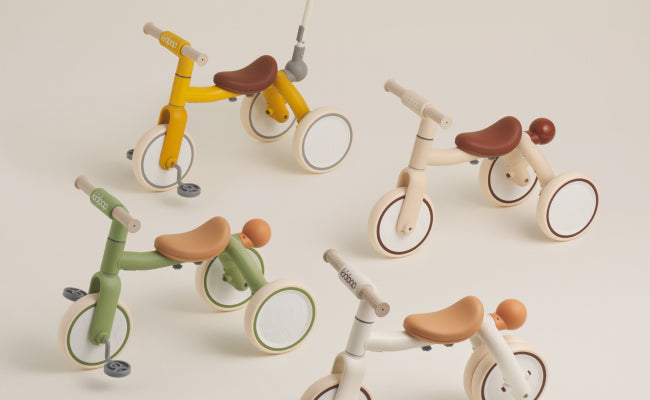
At what age should I introduce a balance bike?
Most children are ready for a balance bike between 18 months and 2 years old, well after they have mastered independent walking. A balance bike requires complex coordination to steer and push simultaneously while managing the child's entire body weight on a narrow seat. Focus on mastering the baby activity walker first to build the necessary leg and core strength before transitioning to riding toys.
