
Late Walkers and Wagons: How to Support Confidence and Movement Without Pressure
Waiting for a child’s first independent steps can feel like an eternity for parents. While milestones are exciting, they can also become a source of anxiety when a child seems to lag behind their peers. If you are worried about a "late walker," the solution is rarely forced practice or pressure. Instead, the right tools can bridge the gap between crawling and walking naturally.
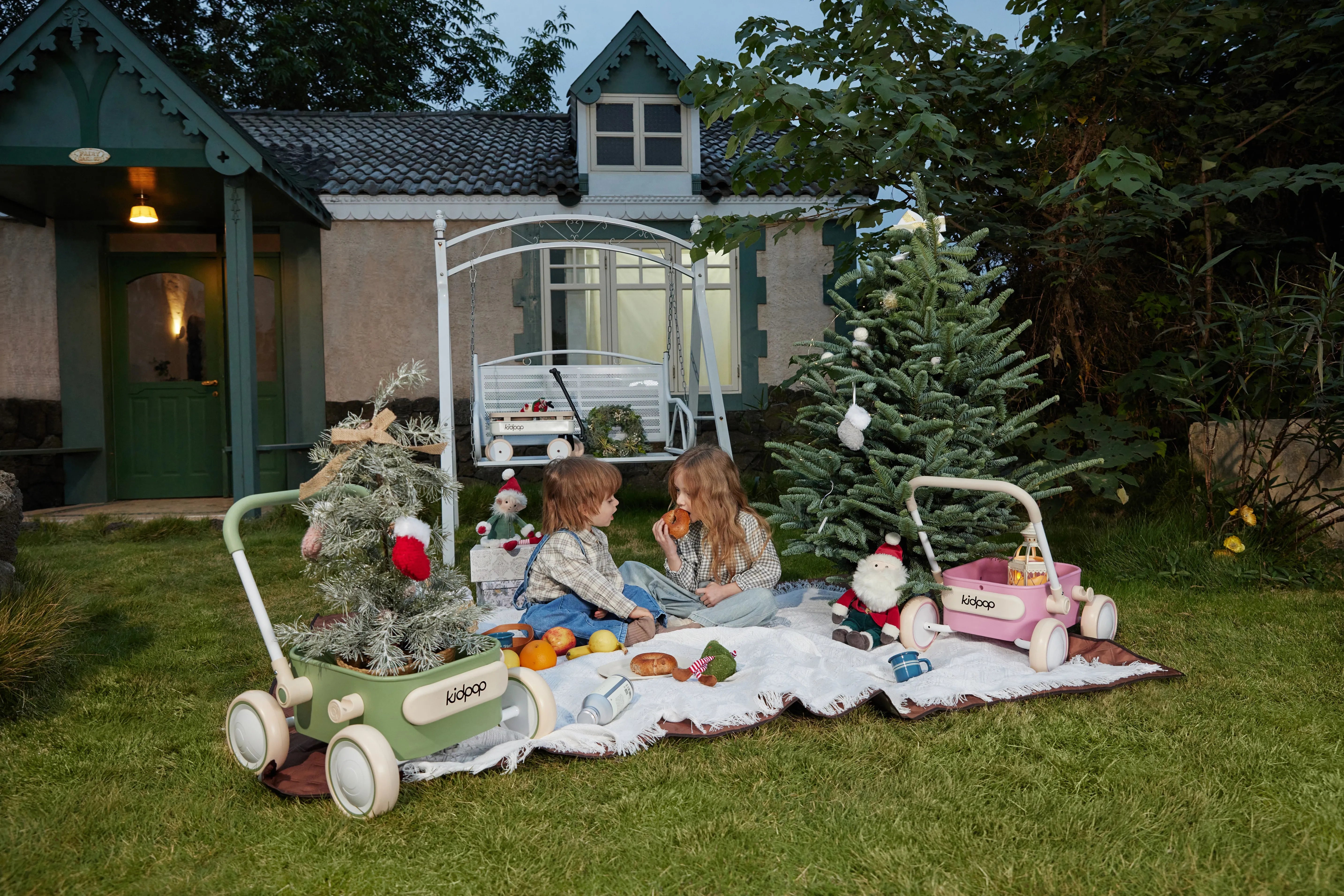
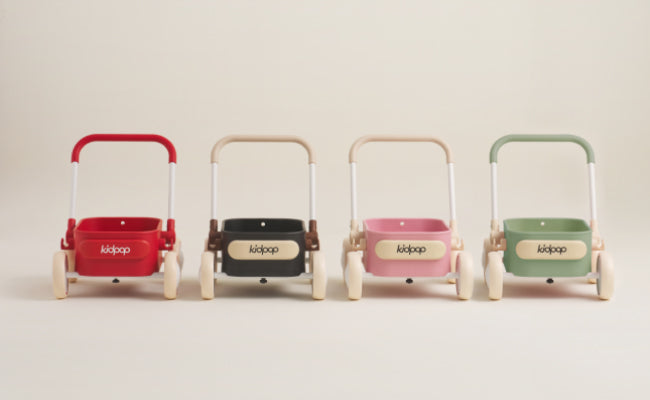
A push wagon for kids is more than just a toy; it is a stability aid that builds confidence. This guide explores how to support your child’s unique timeline emotionally and physically, turning a developmental hurdle into a fun journey of discovery.
Why Some Babies Walk Later
The question "when do babies start walking" has a broad answer. While the average range is between 10 and 15 months, the World Health Organization notes that walking independently anywhere up to 18 months is often considered within the normal range of development. A child falling on the later end of this spectrum is often just following their own unique biological clock.
Some babies are naturally more cautious. These children prefer to analyze a situation and master a skill mentally before attempting it physically. These "cautious" babies often skip the stumbling, falling phase entirely. They may wait until they feel 100% secure before letting go of support, resulting in a later start date but a more stable initial walk.
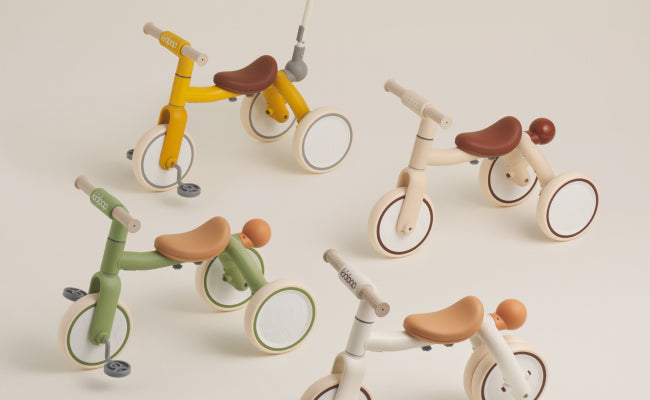
Sometimes, a baby focuses their energy on other developmental areas first. A child who is busy expanding their vocabulary or refining fine motor skills may pause their gross motor development temporarily. Additionally, some babies with hyper-flexible joints or lower muscle tone simply need more time to build the requisite strength to support their frame against gravity. For instance, mastering a baby balance bike can significantly improve their coordination before they are ready to walk.

The Push Wagon Advantage: Stability Over Suspension
It is crucial to distinguish between a push wagon and a traditional seated baby walker. For decades, parents believed seated walkers helped children learn to walk. However, experts now know that seated walkers can actually delay motor development. They allow children to scoot around using their toes while their hips are supported, which does not teach proper balance or weight-bearing mechanics.
Why Push Wagons Are Superior![]()
![]()
A push wagon requires the child to stand on their own two feet. To move the wagon, the child must engage their core, lock their knees, and push forward using their leg muscles. This mimics the exact mechanics of independent walking.
The "Mobile Furniture" Effect
For a late walker, the scariest part of walking is the open space. They often "cruise" proficiently along couches but freeze when they reach the end of the sofa. A push wagon acts as a piece of mobile furniture. It provides a constant, reliable point of contact that moves with them, allowing them to venture into open spaces without the fear of falling.
Using a Wagon to Build Confidence in Cautious Walkers
For many late walkers, the barrier is psychological, not physical. They have the muscle strength, but they lack the confidence. A push wagon transforms the intimidating task of walking into a purposeful game, shifting the focus from the mechanics of movement to the joy of play.
When a child is holding a parent's hand or being coaxed to "come here," they are hyper-aware of their own instability. A wagon changes the narrative. The goal becomes "transport these blocks to the kitchen" or "take the teddy bear for a ride." This distraction is powerful. It takes the child's mind off their feet, allowing muscle memory to take over naturally.
Unlike holding a parent's hand, which often involves the adult subtly pulling or lifting the child’s arm (disrupting their center of gravity), a wagon puts the child in charge. They control the speed and direction. This sense of agency is empowering for a clingy or cautious child. They learn that they are capable of moving themselves, which boosts the self-esteem required to eventually let go of the handle.

Micro-Goals You Can Celebrate with a Wagon
Progress should not be measured only by independent steps. When using a wagon, you can observe and celebrate smaller milestones that lead to the main event. Acknowledging these micro-goals reduces pressure and keeps the atmosphere positive.
- The Pull-Up: Simply pulling up to the wagon handle and standing without leaning heavily is a major win for core stability.
- The First Shove: Initiating movement is physically harder than sustaining it. Celebrate the initial shove, even if they only move an inch.
- Controlled Stopping: Learning to stop the wagon without falling shows increased core stability and braking control.
- Turning: Maneuvering the wagon requires shifting weight from one foot to another, a complex skill necessary for walking.
Balancing Wagon Time with Barefoot Floor Time
While a push wagon is an excellent tool, it should not be the only method of practice. Proprioception—the body's ability to sense its position and movement—is best developed through direct contact with the ground. Over-reliance on shoes or support devices can dampen this sensory feedback.
The Importance of Sensory Feedback
Barefoot walking stimulates the nerve endings in the feet. It helps the child grip the floor with their toes and develop the arches of their feet. This sensory input is crucial for long-term balance and coordination. The skin-to-floor contact sends signals to the brain that help adjust posture in real-time.
Creating a Balanced Routine
Use the wagon for active play sessions, perhaps 10 to 15 minutes a few times a day. In between these sessions, ensure the child has plenty of time on a safe, clean floor surface without shoes or socks. This combination builds strength via the wagon and sensory awareness via barefoot exploration. Avoid keeping the child in "containers" (high chairs, swings, strollers) for long periods during awake time.

How to Talk to Your Child (and When to Seek Help)
Your emotional reaction affects your child's willingness to try. If a late walker falls or refuses to move, high-pressure coaxing can backfire. Phrases like "Look at your cousin walking" or "Come on, you can do it, just let go!" can create anxiety.
Supportive Narrating
Instead, narrate what they are doing in a neutral, positive way. Say things like, "You are pushing the wagon fast!" or "You stopped all by yourself." This validates their effort without demanding a specific outcome. Supportive Narrating is a key part of building a child's confidence during developmental stages.
When to Worry Is Valid
While late walking is often normal, there are specific signs that warrant a consultation with a pediatrician or physical therapist:
- Age: If the child is not walking at all by 18 months.
- Asymmetry: If the child drags one leg or only uses one side of their body.
- Tone: If the child's muscles feel exceptionally stiff or very floppy like a ragdoll.
- Regression: If the child had a skill (like standing) and lost it.

FAQs
Is a push wagon safer/better than a traditional baby walker?
Yes. Conventional seated baby walkers have been discouraged among pediatricians because these devices can impair babies' milestones and pose hazards (e.g., going down the stairs). Since a push wagon promotes proper posture when walking, heel-to-toe action, and normal weight bearing, it is indeed superior when it comes to development.
Can using a wagon delay my baby’s walking even more?
No, if it’s not their only mobility aid. Since a push wagon mimics the true motion of walking (standing erect and moving their weight), it builds precisely those muscles necessary for babies to be independent. It’s more like a physical training bridge instead of an aid, which could impede progress.
What are the most important safety rules when using a wagon?
The first important rule for the newcomer walker would be to weigh the wagon. There would obviously be tipping if the child pulled on the handle if it were lightweight. There would need to be weights inside the wagon to prevent tipping over. Usage would need to occur under adult supervision and preferably on level surfaces and not near stairs.
Is it better for a late walker to ride inside or push from behind?
Learning to walk requires pushing from behind. Being a passenger inside can be a fun activity, but it won’t increase leg strength. Encourage your child to be “drivers” rather than “passengers” when practicing.
When should I stop using a wagon and focus on independent walking?
You don't need to forcibly remove the wagon. As your child gains confidence, they will naturally start to step away from it to reach objects that the wagon can't get to. Once they are taking 10-20 independent steps, the wagon transitions from a walking aid to a pretend-play toy.
