
What Are the Safety Features to Look for in a Toddler Tricycle?
With countless models on the market, distinguishing between a cute toy and a truly safe vehicle is crucial. A well-designed toddler tricycle offers more than just entertainment; it provides stability and security for your developing child. This guide explores the essential safety features every parent should inspect before making a purchase. By understanding what makes a trike safe, from the frame materials to the braking systems, you ensure your little one rides happily and unharmed.

Fundamental Tricycle Safety Features — Frame, Stability & Low Center of Gravity
The most significant risk for a toddler on a tricycle is tipping over. Toddlers are still developing their balance and coordination, and they often turn handlebars sharply or shift their weight unexpectedly. To counter this, a safe tricycle must have a low center of gravity. This design keeps the rider close to the ground, making the vehicle much harder to tip during a sharp turn or on uneven surfaces. When shopping, look for a wide rear wheelbase. The wider the space between the two back wheels, the more stable the ride will be.
The material of the frame plays a massive role in stability. While plastic trikes are lightweight and inexpensive, they can be flimsy and prone to tipping due to their lack of weight. A tricycle for 2 year old riders is often safer if it features a steel or aluminum frame. Metal frames provide the necessary weight to anchor the bike to the ground, offering a sturdy feel that plastic simply cannot match. Ensure the welding points are smooth and robust, as this indicates a high-quality build that won't buckle under active play.

Pedals, Footrests & Steering Control for Safety
The Role of the Free-Wheel Clutch
One of the most overlooked safety features is the free-wheel clutch mechanism on the front wheel. On a standard trike, the pedals spin whenever the wheels turn. If a parent is pushing the tricycle at a walking pace, the spinning pedals can strike the toddler's shins or ankles, causing injury.
With a mechanism to disconnect the pedals and the wheel, it is possible to keep the pedals stationary while the bike is moving. With such technology, it is possible to keep the child’s feet on the pedals without turning, which shields the lower legs from injury during push mode. This push-along functionality is a key feature in many modern ride-on toys that support early development.
Foldable and Retractable Footrests
For children who are not yet tall enough to reach the pedals, or for those who simply want to relax, footrests are essential. A toddler tricycle with handle control usually includes these platforms. They prevent the child’s feet from dragging on the ground, which can lead to scraped shoes or twisted ankles.
The best design is a foldable or retractable footrest. When the child is ready to pedal on their own, you should be able to fold the footrest back under the frame so it does not interfere with the pedaling motion.

Brakes, Steering Lock & Tires — Additional Safety Features
Beyond the basic frame and seat, several mechanical features contribute significantly to the safety of the ride. These features give parents control over the environment and the movement of the tricycle.
- Parent Steering Lock: This feature allows you to disengage the child’s handlebars from the front wheel. When engaged, the child can turn the handlebars left and right as much as they want without actually changing the direction of the trike. This prevents the child from suddenly steering into traffic or off a curb while you are pushing.
- Rear Parking Brakes: Just like a stroller, a tricycle should have a parking brake on the rear wheels. This is vital for loading and unloading your child safely. It ensures the trike doesn't roll away if you stop on an incline to tie a shoe or check your phone.
- Tire Traction and Material: Plastic wheels can be noisy and offer poor traction, causing the trike to skid on smooth surfaces. Rubber or EVA foam tires provide better grip and shock absorption. Good traction ensures the brakes work effectively and prevents the trike from sliding out of control on wet pavement or loose gravel.
Age, Size & Adjustability — Tailoring the Tricycle to Your Toddler
Ensuring the Right Fit
A tricycle that is too big or too small is inherently unsafe. If a child cannot reach the pedals comfortably, they may scoot forward to the edge of the seat, compromising their balance. Conversely, if the trike is too small, their knees may hit the handlebars, restricting their ability to steer.
When selecting a tricycle for 2 year old children, check the manufacturer’s height and weight guidelines carefully. The child’s feet should be able to touch the ground flat when they are seated. This allows them to stop the momentum of the bike using their feet if they get scared or go too fast.
Grow-With-Me Features
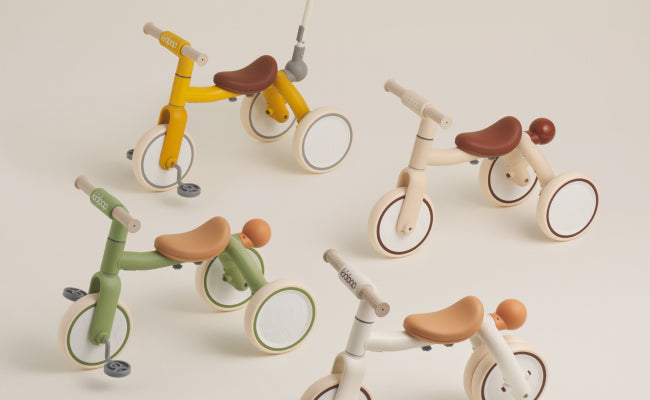
Adjustability is key to maintaining safety over time. Look for a seat that can be moved forward or backward. As your child’s legs grow, you can move the seat back to maintain the proper distance to the pedals. Adjustable handlebars are also beneficial. Being able to raise the handlebars ensures the child maintains an upright posture, looking forward rather than hunched over, which improves their situational awareness. Models like the Pony 4-in-1 Kids Tricycle are designed to adapt as your child grows, ensuring a perfect fit for years.

Safety Gear & Proper Riding Habits — Maximizing Safety
Even the safest toddler tricycle requires the rider to be properly equipped. The hardware of the bike is only half the equation; the gear the child wears provides the second layer of defense against injury.
- Certified Helmets: A helmet is non-negotiable. Start the habit early, even if they are just riding in the driveway. Ensure the helmet is CPSC-certified and fits snugly without rocking back and forth.
- Closed-Toe Shoes: Never let a toddler ride barefoot or in sandals. Toes can easily get scraped against the pavement or pinched in the pedals. Sturdy sneakers provide grip and protection.
- High-Visibility Clothing: If you are walking near roads or in the evening, dress your child in bright colors. Many modern trikes also come with a safety flag that raises the visual profile of the tricycle, making it easier for drivers to see the low-profile bike.
Choosing a Safe Tricycle for Peace of Mind
Selecting a toddler tricycle is a task of finding the right mix between fun and safety. By ensuring it is stable, has effective restraints, and has parental-controlled elements, you are able to provide a safe arena for learning. Safety is not limited to when you pay cash at the checkout line, but is an issue of supervision and regular maintenance. With the right elements and considerations, you will be able to let your child experience the joy of cycling freedom while you have complete peace of mind.

FAQs
At what age is it safe for a toddler to start using a tricycle?
Children are able to start pedaling the push-tricycle, which is steered by the parent, by 12 to 18 months if the child has good neck control and is wearing a harness on the trike. It's important to note that while toddlers can ride along at this age, the motor skills for active pedaling typically develop between 2 and 3 years old. Pedaling independently starts from 2 to 3 years.
Do I really need a parent push handle?
It's highly recommended a toddler tricycle with a handlebar to children under 3. You can control the speed and direction so the child doesn't turn towards danger, and so you're not leaning over to push the child.
Are plastic wheels safe?
A: Plastic wheels are generally safe for flat, smooth surfaces but offer less traction than rubber or EVA foam. Rubber tires are safer for uneven terrain or wet surfaces as they prevent skidding and provide better braking.
How do I know if the tricycle is the right size?
When seated, their feet should be able to rest flat on the floor. This allows them to stop the bike when and if needed. If they can only reach the pedals with their tiptoes, it is either time to adjust the seat height or the trike is too large.
