
How to Teach Your 2-Year-Old to Ride a Tricycle: 8 Expert-Approved Tips
Watching your two-year-old experience the joy of rolling independence is an experience like no other. A two-year-old’s tricycle is much more than just a toy. Their tricycle is the very first vehicle they will ever own, and it is what they will use to develop their coordination, confidence, and lifelong enjoyment of physical activity. But how can you go from pushing your child to pedaling on their own two wheels? Here are 8 expert tips to follow.
Tip 1: Choose the Right Tricycle
Your success begins with choosing the right equipment. The best toddler tricycle is the one that will work best for your child and your family, and it is not necessarily the most high-tech model on the market.
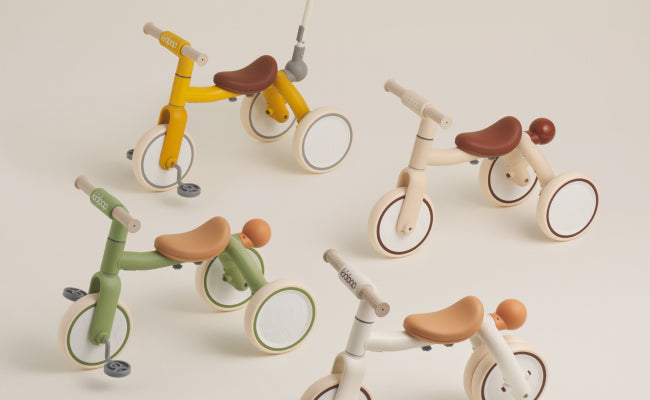
The single most important thing is fitting well. When your child is on the tricycle, they should be able to place their feet on the pedals at the bottom of the turn without straining. If they are leaning forward and their knees are bent, they simply will not be able to pedal. The adjustable seat is an excellent accessory and will allow your tricycle for 2-year-old kids to grow with your child.
In this age group, one essential requirement is the presence of a handle on the toddler tricycle. The parent push handle is very useful, as it enables the parent to steer and control the trike, especially during the learning process of the child.

Tip 2: Prioritize Safety From Day One
Before the first ride, establish a routine of safety. This not only protects them from bumps and scrapes but also instills habits that will last a lifetime.
- Helmets are a Must: From the very first time they sit on the tricycle, put a helmet on your child. Make it a non-negotiable rule: "no helmet, no trike." This builds a crucial safety habit long before they graduate to a bicycle.
- Dress for Success: Ensure your toddler is wearing closed-toe shoes. Avoid loose pants, long dresses, or untied shoelaces that could get caught in the pedals or wheels.
- Find a Safe Space: The ideal learning environment is a large, flat, and smooth surface away from traffic. An empty tennis court, a smooth driveway (away from the road), or a wide, paved park path are all excellent choices.
Tip 3: Master the Pedaling Motion (Off the Trike)
The most common hurdle for a two-year-old is understanding the circular motion of pedaling. Many will try to push down on both pedals at once. The secret is to teach this concept before they even try to ride.
Turn the toddler tricycle upside down so it is resting on its handlebars and seat. Sit on the ground with your child and show them how the pedals make the front wheel spin. Let them use their hands to push the pedals around in a circle. This "hand-pedal simulation" is a game-changer. It allows them to understand the cause-and-effect of the circular motion in a low-pressure, fun way, creating that "aha!" moment.
Tip 4: Break Down the Ride Into Small Steps
Don't expect your child to simply jump on and pedal into action. The learning process should be divided into smaller, confidence-boosting stages.
First, begin by letting them sit on the trike and push themselves along with their feet on the ground, as they did on the balance bike. Once they are comfortable, move on to the toddler tricycle with a handle and push them gently along while their feet are on the pedals. At this point, they will get used to the pedals moving beneath their feet.
Finally, encourage “short pedal bursts.” Ask them to pedal with their feet just once, then again. Each small success should be followed with lots of praise.
Tip 5: Keep It Fun and Pressure-Free
Learning for two-year-olds is all about play. If they begin to feel frustrated or like they're being taught, they'll stop being interested. The secret is to keep your training fun and positive and as short as possible.
Keep the lessons short; 5-10 minutes is all you need, and always end on a positive note, no matter how much progress they may have actually achieved. Incorporate games into learning. Play “Red Light, Green Light” on the playground, “race” them to a nearby tree, or pretend they are delivering something. Your fun will be contagious, so if you’re enjoying yourself, they will as well.

Tip 6: Troubleshoot Common Problems
You will almost certainly encounter a few bumps in the road. Here’s how to handle the most common issues.
They Keep Pedaling Backward
This is very common. The easiest fix is to go back to the hand-pedal simulation (Tip 3) and reinforce the concept of forward motion. When they are on the trike, you can gently guide their feet with your hands for a few rotations to help their muscles learn the correct pattern.
They Can't Steer
Steering and pedaling at the same time is a complex coordination task. Start by separating the two skills. You can control the steering with the parent handle while they focus solely on pedaling. Practice making big, gentle turns first before moving on to more precise steering.
They Show No Interest
If your child seems completely uninterested or actively resists, don't force it. It may just mean they aren't developmentally ready. Put the tricycle for 2-year-old kids away for a few weeks or even a month, then reintroduce it as a fun new toy without any pressure to "learn."

Tip 7: Perform Pre-Ride Checks and Know When to Move On
In much the same way as you would check an adult bike, you can simply go through a list of things to ensure all is well and safe on your child’s bike. Before setting out, it is essential to check the tires are inflated, the handlebars are secure, and the seat is at the right height.
Your child will eventually learn to ride the tricycle. Then, the question is, when is it appropriate to progress to the next level of learning to ride? When they are comfortable pedaling, steering, and braking with ease on their tricycle, they are already ready to go to the next level, and it is best to use a balance bike, as this is the most efficient instrument for learning the toughest part, which is balance.
Start Your Toddler’s Riding Journey Today
Teaching your child to ride their first toddler tricycle is a journey that means so much, as this is a big step toward their independence. By choosing the right trike, putting safety first, breaking down skills, and making it fun, you set them up for success. Remember to be patient, take time to celebrate every small victory, and enjoy the wonder of your little person's discovery of the joy in the ride.
Essential FAQs About Toddler Tricycle Riding
Q1: What age should a toddler start riding a tricycle?
Most children are developmentally ready to start learning between the ages of 2 and 3; some even show interest as early as 18 months, especially with a toddler tricycle with a handle where they can be pushed and get a feel for it.
Q2: Can a 2-year-old practice indoors?
Sure, if you have enough room. A well-defined area, or any large open-plan dwelling, is an excellent place to teach yourself, in safety and without any external disturbances, the rudiments of mounting, dismounting, and cycling.
Q3: Do toddlers need helmets on tricycles?
Absolutely, yes. The helmet should be worn each and every time they go out on their bikes. It will not only save them from the falls, which are to be expected in the learning process, but it will also teach them an invaluable lesson about wearing safety helmets regularly.
