
Winter Riding 101: Is It Safe for Toddlers to Ride Balance Bikes in Snow?
As the temperatures lower and the snowflakes start to fall, parents around the world begin storing away outside toys until the spring. The balance bike is one toy that does not have to go into hibernation. The secret is having the right equipment and knowledge to provide kids with a fun, safe, and exciting experience throughout the cold season.
Why Surface Conditions Matter Before Riding Balance Bikes in Snow?
Can a toddler ride a balance bike in the snow? Yes, they can. In fact, the novelty of riding in the snow may be quite thrilling to them. But in regard to safety, the surface they are riding on makes all the difference.
The best surface for a toddler balance bike during winter would be hard-packed snow. It would give a similar texture to that of dirt or grass and would provide good traction. Plowed sidewalks or even driveways with sand applied are also very good choices. In fact, you would want a surface that would be hard enough to support the tires.
Ice is what you have to avoid. Toddlers lack the reflexes required for a split-second correction on a frictionless surface such as black ice. Freezing rain on pavement can be just as dangerous. Then there is slush. It is not as slick as ice. However, if it is sufficiently deep, it can conceal obstacles. It can make the front tire turn unexpectedly, resulting in annoying tumbles that may put a new driver off.

Temperature Guide: How Cold is Too Cold for a Toddler?
Unlike adults, toddlers cannot regulate their body temperature efficiently, and they lose heat rapidly. Deciding when it is too cold requires a mix of common sense and monitoring.
The "Feels Like" Rule
Always check the wind chill (feels-like temperature), not just the thermometer. A sunny day at 30°F (-1°C) is perfectly fine for a short ride, but if the wind chill drops below 20°F (-6°C), exposed skin can freeze quickly. For most toddlers, 32°F (0°C) and above is a safe green zone for outdoor play, provided they are moving.
Time Limits are Crucial
Winter rides should be shorter than summer adventures. Aim for 15 to 20-minute sessions. This is enough time to burn energy without risking hypothermia. Watch your child's face; if you see bright red cheeks turning pale or waxy, or if they start shivering, head inside immediately. Remember, a toddler on a balance bike is generating less heat than a running child because they are gliding part of the time.

Essential Safety Gear Check: Tires and Helmets
Your equipment needs a winter audit. The setup that worked in July might not be safe for January. Every piece of gear should ideally meet the Consumer Product Safety Commission (CPSC) requirements.
Tire Traction
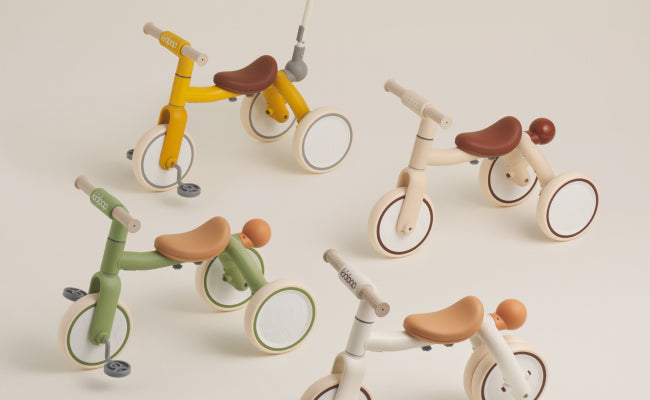
The standard EVA foam tires found on many starter bikes are great for indoors but can be slippery on cold pavement. They become hard and plastic-like in freezing temperatures. For winter riding, air-filled (pneumatic) rubber tires are superior. They provide better grip and cushion. You can even lower the tire pressure slightly to increase the surface area contacting the ground, giving your toddler more stability on snowy patches. High-quality models like the Bee baby balance bike utilize these materials for better year-round performance.
Helmet Adjustments
A winter hat is non-negotiable, but it can interfere with helmet safety. A thick pom-pom beanie will cause the helmet to sit too high on the head, exposing the forehead. Instead, use a thin fleece balaclava or a specialized "helmet liner" skull cap. These keep the ears warm without adding bulk. Always loosen the helmet dial to fit the liner, then tighten it back down to ensure it does not wiggle.
Why Winter Riding is Great for Gross Motor Skills
Winter riding has its own developmental advantages that a dry sidewalk cannot provide. It presents a completely new set of sensations that will test the child's balance in a different manner, similar to balance bike games played in warmer weather.
Building Core Strength
It takes more effort to ride through a layer of snow one inch thick than to ride along the pavement. Your toddler will have to use more leg effort and engage his core muscles to hold the bicycle upright through the effort of pedaling against the snow. This is resistance training, and it will increase leg strength and endurance much faster than it could in the summertime.
Learning Micro-Corrections
Snow is uneven, and a tire slipping a tiny bit means the child has to learn automatically to compensate for the movement change. These small movements are the ultimate way to improve balance training for a child. They exercise the brain on how to recover from instability, which is a directly transferable skill to a pedal bike later on.

Post-Ride Care: Rust Prevention & Frame Materials
Winter roads are often coated in salt and brine to melt ice. While good for cars, these chemicals are kryptonite for a kids bike. Materials should be tested according to the American Society for Testing and Materials (ASTM) standards to ensure durability.
Steel vs. Aluminum
If you have a steel balance bike, it is highly susceptible to rust. After every winter ride, you must wipe the frame down with a damp cloth to remove salt residue, then dry it thoroughly. Pay special attention to the wheel axles and bolts.
The Aluminum Advantage
The best balance bike for winter use is often made of aluminum or composite plastic. Aluminum does not rust. While you should still clean it to keep the bearings smooth, an aluminum frame can handle wet, snowy conditions far better than steel. If you plan to ride year-round, investing in a rust-proof material will significantly extend the lifespan of the bike.

FAQ about Riding Balance Bikes
Can I put training wheels on a balance bike for snow?
No. They will defeat the whole point of the balance bike. In the snow, the training wheels may get jammed, or the front wheel may spin freely. It would actually be better to lower the seat so your child can plant their feet on the ground.
Do they make winter tires for toddler bikes?
Although you won't be able to find ice tires with studs for 12-inch tires, there are knobby tires available for off-road use that resemble miniature tires on a mountain bicycle, with much better grip in the snow than regular street tires.
My toddler refuses to wear gloves. What should I do?
Cold hands are a turn-off. Handlebar mittens, also called pogies, can be attached to the bicycle. The youngster inserts his mitts into the warm pockets hanging from the handlebars. This enables him to grasp the rubber handlebars, which gives him better control than he can have if his mitts are just thick wool.
