
Camping with Toddlers: Essential Gear for Creating Magical Memories in the Wild
Camping with toddlers requires strategic planning to balance adventure with child-friendly comfort. While the wild offers immense developmental benefits, a toddler's physical limitations can quickly lead to exhaustion.
This guide focuses on essential equipment, specifically focusing on how the right toddler bike and outdoor accessories can transform a challenging excursion into a collection of magical, stress-free memories for the whole family.
The Physiology of Toddler Stamina Outdoors
Toddlers have a high metabolic rate, meaning they burn energy quickly, yet their short strides and developing muscle groups result in low endurance. In an outdoor setting with uneven terrain, a child can become physically overwhelmed in a fraction of the time it takes an adult.
Managing Energy Expenditure
When a toddler is forced to walk long distances across gravel or dirt paths, they often reach a point of "over-tiredness." This physiological state triggers a spike in cortisol, leading to irritability and difficulty sleeping—two things parents want to avoid in a tent environment. Providing a wheeled alternative allows the child to rest their leg muscles while remaining mobile. Selecting a bike toddler model with large, puncture-proof wheels is essential for off-road camping, as it ensures the child can participate in campsite walks without physical strain.
Motor Skill Development on Uneven Ground
Camping provides a unique opportunity for proprioception development, which is the body's ability to sense its position in space. Navigating roots, rocks, and sloped terrain challenges a toddler's balance. However, without support, these obstacles can lead to frequent falls. Mobility gear acts as a developmental bridge, allowing them to test their limits safely.
The Role of the Push Trike
Campsites are often spread out, with bathrooms, playgrounds, and water pumps located several hundred yards from the tent. For a two-year-old, this distance can be daunting. This is where a toddler tricycle with handle becomes an indispensable tool for parents.
The Stroller Alternative
While traditional strollers are designed for paved city sidewalks, they often struggle with the mud and deep gravel found in campgrounds. A toddler tricycle with handle typically features wider tires and a higher ground clearance, making it much more effective on rugged terrain. The parent-controlled handle allows you to steer the child through tight spots between campsites while the child feels the independence of sitting on a "big kid" vehicle.
Versatility and Features
A high-quality toddler tricycle with a handle allows you to navigate the loops of a state park without the bulk of a traditional stroller. Many models designed for camping include a small storage basket for essentials like water bottles, sunblock, and snacks. Parents often prefer a toddler tricycle with a handle, ensuring the child stays secure even when moving over bumps or dips in the trail.
Build Balance on the Trail: Push Bikes
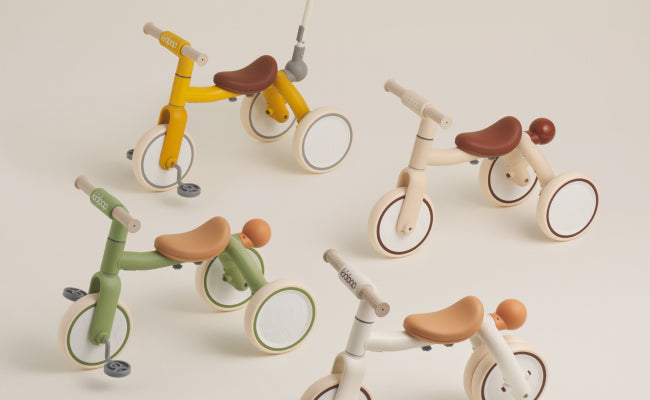
As toddlers grow into the 3-to-4-year-old range, they often want more control over their movement. The toddler push bike (also known as a balance bike) is the most effective tool for teaching the fundamentals of cycling in a wilderness setting.
Mastering Balance Without Training Wheels
Unlike traditional bicycles with training wheels, which teach children to rely on a "third point" of contact, a toddler push bike requires the child to use their core muscles to stay upright. On a dirt trail, this teaches them how to lean into turns and navigate small obstacles. The toddler push bike is a maintenance-free option for muddy campsites because it lacks complex chains and pedals that can become clogged with debris.
Integrating Play and Hiking
Using a toddler push bike on flat dirt paths helps your child feel like part of the hiking group while developing core strength. It keeps them engaged during short hikes near the site, as they are focused on the "task" of riding rather than the effort of walking. Before you leave, inspect the tires and frame of the toddler bike to ensure it can handle the varied terrain of the wilderness. A lightweight aluminum frame is ideal for camping, as parents may need to carry the bike if the child decides they are done riding for the day.
Campsite Safety and Visibility Gear
Visibility is a major concern when camping. Campsites are active environments with vehicles moving in and out, and they become exceptionally dark after sunset. Ensuring your child and their gear are visible is paramount.
High-Visibility Modifications
Adding reflective tape or LED "spoke lights" to a toddler bike ensures that drivers and other campers can see the child from a distance. Many parents also attach a high-visibility orange flag to the back of the trike or bike. When organizing your campsite, creating a dedicated parking area for the bike toddler equipment helps maintain order and prevents tripping hazards near the fire pit or tent entrance.
Helmet Safety and Campsite Rules
Helmets are non-negotiable, even within the confines of a quiet campsite. A fall onto hard-packed gravel or a protruding root can cause significant injury. Establish clear boundaries for your child: they must only ride within sight of the tent and must never ride near the fire pit or the camp stove area. Consistent rules combined with the right gear create a safe perimeter for exploration.
Storing and Protecting Gear from the Elements
The wilderness is unforgiving to mechanical equipment. Moisture, pine sap, and dirt can quickly degrade the bearings and finish of a child's bike.
Weatherproofing Your Equipment
Always bring a dedicated tarp or a "bike cover" to protect the gear overnight. Morning dew can cause rust on exposed metal parts within a single trip. If your child has been riding through mud or pine needles, wipe down the frame and tires before storing the gear for the night. This prevents abrasive dirt from entering the wheel bearings.
Transporting Gear to the Wild
When packing the car, place the toddler bike in a spot where it won't be crushed by heavy coolers or camping bins. If using a roof rack or a hitch-mounted rack, ensure the small frame is securely fastened. For many families, the ability to bring a wheeled toy is what makes the difference between a child who is "stuck" at the picnic table and one who is actively exploring the environment.
Conclusion: Empowering Toddlers on the Trail
Successful camping trips with young children depend on the synergy between nature and the right equipment. By integrating a toddler bike or push trike into your gear list, you solve the primary issue of mobility while fostering a child’s independence. These tools allow toddlers to explore the wild at their own pace, ensuring they remain engaged and happy. With the proper preparation and safety gear, your family can focus on building lifelong memories in the great outdoors.
FAQ
What age is a toddler tricycle with handle appropriate for camping?
Most models are designed for children aged 18 months to 4 years. The handle allows parents to assist younger toddlers who may not yet have the leg strength to pedal across soft dirt or grass.
Are toddler push bikes safe on hiking trails?
Yes, as long as the trail is relatively flat and free of steep drop-offs. These bikes allow the child to keep their feet on the ground at all times, providing an immediate "brake" if they feel off-balance. Always ensure the child is wearing a helmet and is supervised.
How do I stop my bike toddler gear from getting rusty?
Always store the bike under a waterproof cover or inside your vehicle overnight. If the bike gets wet during a rainstorm or a creek crossing, dry it thoroughly with a towel and ensure the metal joints are wiped clean of mud and grit.
Can a toddler bike help with nap times while camping?
Indirectly, yes. Physical activity in the fresh air is one of the best ways to ensure a toddler is ready for a nap or a full night's sleep in a tent. The physical exertion of riding helps burn off energy in a controlled, productive way.
Is it worth bringing a bike for a one-night camping trip?
If you have the space in your vehicle, yes. Even for a short trip, a bike or trike provides a designated activity for the child while parents are busy setting up the tent or preparing meals. It acts as a "containment" and entertainment tool that makes the transition to the outdoors much smoother.
