
Play with Purpose: How Wagons, Balance Bikes, and Trikes Support Little Leg Development
Watching a toddler play is entertaining, but there is serious work happening behind the scenes. Every push, stride, and pedal is a lesson in biomechanics. Ride-on toys are more than just garage clutter; they are essential tools for physical development. Parents often ask which toy is "best," but the answer depends on the specific muscles and skills the child needs to build. From the stabilizing force of a wagon to the balancing act of a bike, each vehicle serves a unique purpose. This guide breaks down how different toys support leg development, helping you choose the right tool for your child's current milestone.
Wagons for Stability & Strength
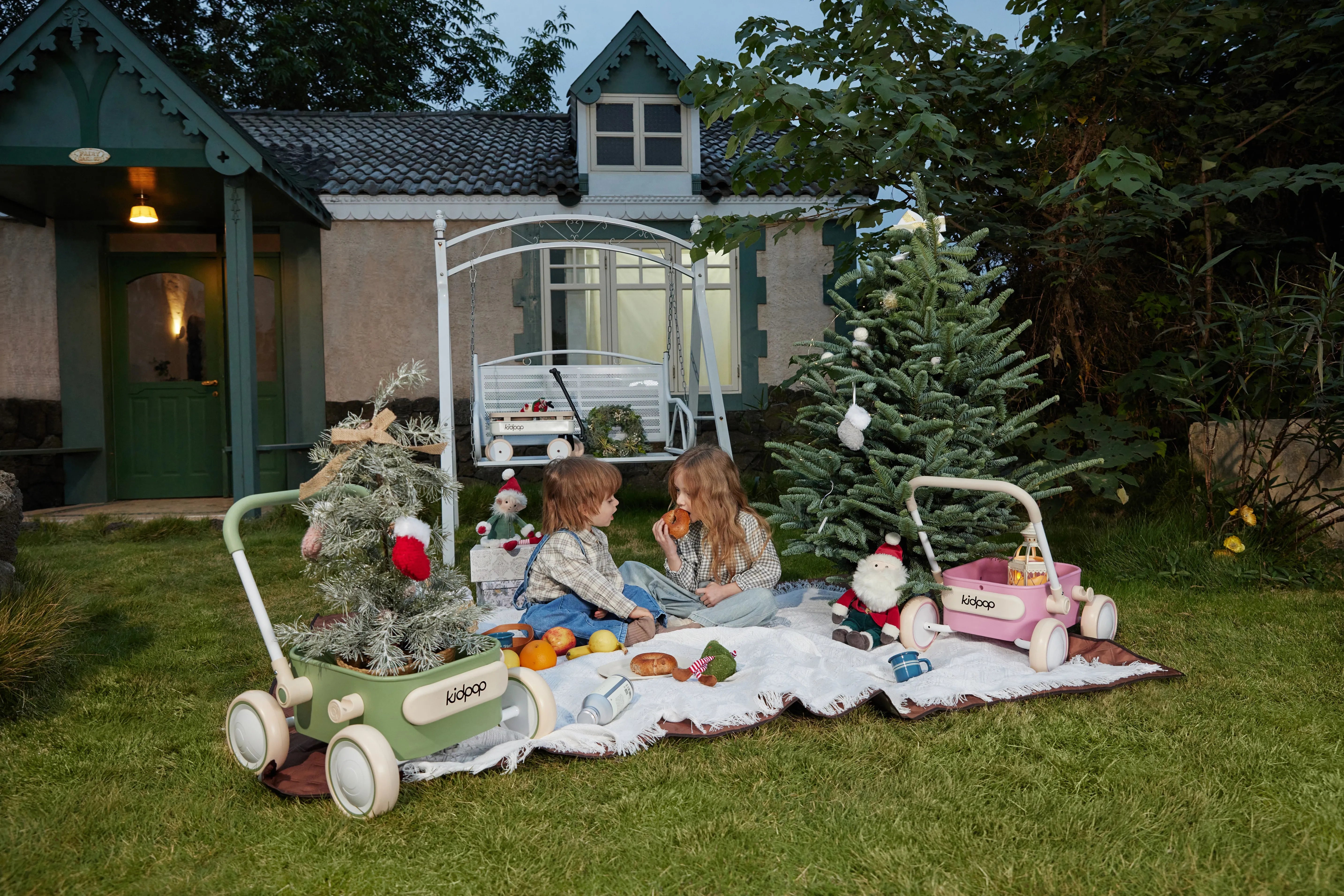
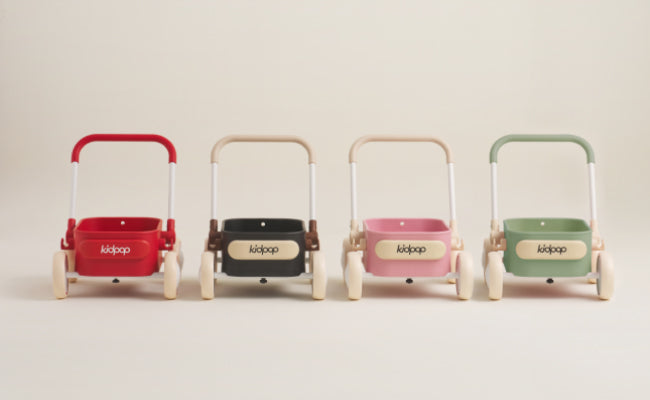
Before a child can run, they need a solid base. A wagon for kids is often their first introduction to moving heavy objects, which builds crucial lower body strength.
Building Posterior Chain Strength
When a toddler pulls a wagon, they engage their hamstrings, glutes, and calves. The act of leaning forward to generate momentum while digging their feet into the ground creates resistance. This resistance training strengthens the posterior chain—the muscles on the back of the legs and spine. A push and pull wagon is particularly versatile because it works different muscle groups depending on the direction. Pushing activates the quadriceps and chest, while pulling focuses on the back and grip strength.
Stability and Confidence
Unlike bikes, a wagon is stable. It won't tip over easily. This allows children who are still unsteady on their feet to practice walking with a weighted anchor. It encourages them to take longer, more purposeful strides rather than the short, shuffling steps of early walkers. Loading the wagon with toys adds weight, increasing the workout intensity naturally as the child grows stronger.
Balance Bikes for Balance & Core
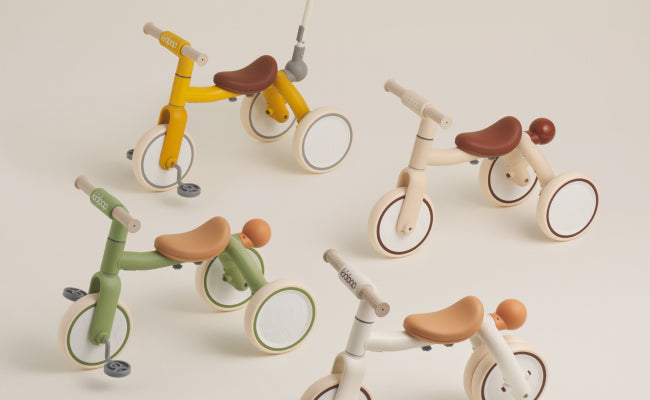
Once a child has mastered walking, the next challenge is dynamic balance. A balance bike for 2 year old riders strips away the complexity of pedals to focus entirely on staying upright.
Core Engagement
To keep the bike steady, a child must engage their abdominal and back muscles constantly. This core stability is the anchor for all limb movement. Without a strong core, the legs cannot generate power efficiently. Balancing requires micro-adjustments of the hips and thighs, which fine-tunes the smaller stabilizing muscles often missed by simple walking.
Developing a Running Gait
The motion used on a balance bike is essentially a seated run. Children learn to lift their knees and extend their hips to propel themselves forward. This promotes a long, fluid stride. It also teaches them to separate the movement of their legs from the movement of their upper body, a critical skill for agility and sports. By removing the training wheels found on a traditional ride on toy, the balance bike forces the child to trust their legs as their primary support system.
Tricycles for Coordination
Pedaling is a complex cognitive and physical task. A tricycle for toddlers introduces the concept of rotary motion, which is very different from the linear motion of walking or running.
Bilateral Coordination
Pedaling requires the legs to work together but in opposite phases. One leg pushes down while the other lifts up. This bilateral coordination forces the two hemispheres of the brain to communicate. Physically, it targets the quadriceps and hip flexors intensely. The child must generate force at a specific angle to turn the crank.
Steering and leg Independence
On a trike, the feet are fixed to the pedals while the hands steer. This separation is challenging. The child learns to guide the vehicle with their arms while maintaining a rhythmic power output with their legs. This multitasking builds neural pathways that improve overall motor planning. While a tricycle for toddlers might seem old-fashioned compared to balance bikes, it remains the superior tool for teaching the specific mechanics of circular pedaling required for riding a "real" bike later.
Match the Ride to the Milestone
Choosing the right toy depends on where your child is developmentally.
- Early Walkers (12-18 months): A push and pull wagon is ideal. It offers stability and builds the foundational leg strength needed for confident walking. It is a low-frustration toy that rewards effort immediately.
- Active Toddlers (18 months - 3 years): This is the prime time for a balance bike for 2 year old kids. It harnesses their newfound running speed and channels it into balance training. It is the best preparation for a two-wheeler.
- Coordinated Preschoolers (2.5 - 4 years): Once they have balance, introduce a tricycle for toddlers. This adds the layer of coordination needed for pedaling. It bridges the gap to a pedal bike without training wheels.
Key Takeaways
Toys are the gym equipment of childhood. By understanding the physical benefits of each ride on toy, you can curate a playroom that builds strong, coordinated, and capable bodies. A wagon for kids lays the groundwork for strength, a balance bike sharpens agility, and a trike refines coordination. There is no single "best" option; rather, there is a right tool for every stage. Encourage your child to play with purpose, and watch their confidence and physical abilities grow with every ride.
FAQ
My toddler walks on their tiptoes. Can these toys help?
Yes. A balance bike for 2 year old riders can be particularly helpful. To push the bike forward effectively, the child needs to plant their whole foot or the ball of their foot firmly to generate traction. This encourages a flat-footed push-off, stretching the calf muscles and promoting a heel-to-toe pattern naturally.
Is a balance bike better than a tricycle?
They serve different purposes. A balance bike is better for learning balance and steering, which are the hardest parts of cycling. A tricycle for toddlers is better for learning the pedaling motion and leg coordination. Ideally, a child benefits from using both at different times.
How long should they play each day?
Toddlers should have at least 3 hours of physical activity daily, but it doesn't all have to be on a ride on toy. Short bursts of 15-20 minutes on a bike or wagon are sufficient to build muscle memory without causing fatigue or boredom.
Can a push and pull wagon act as a walker?
Yes. The sturdy handle and wide wheelbase of a wagon for kids make it an excellent support for early walkers. Unlike lightweight plastic walkers, a wagon provides resistance that prevents the baby from running too fast and falling forward.
At what age should I introduce pedals?
Most children are ready to try pedaling around age 2.5 to 3. Before this, they often lack the leg strength and coordination to turn the cranks on a tricycle for toddlers effectively. Pushing with their feet (on a balance bike) is more natural for younger toddlers.
