
When to Introduce a Push Walker: An Expert Timeline for Babies Learning to Walk
Every parent eagerly anticipates their child's first steps. It is a monumental milestone that marks the transition from infant to toddler. As your baby begins to pull up on furniture, you might start wondering if it is time to buy a mobility aid. A push walker can be an excellent tool for building confidence and strength. However, introducing it too early or too late can impact its effectiveness. This guide provides a clear timeline on when do babies walk and when to introduce a push walk toy to support their development safely.
What Are the Differences Between Seated and Push Walkers?
Before discussing timelines, it is crucial to distinguish between the two main types of baby walking toys. The terminology often confuses new parents.
Seated Walkers
A traditional seated baby walker (sometimes called a kids walker) is a device where the baby sits inside a suspended seat with wheels. The baby's feet dangle to touch the floor. Health experts generally discourage these because they can promote poor walking posture, such as toe-walking. They also allow babies to move dangerously fast before they are developmentally ready.
Push Walkers
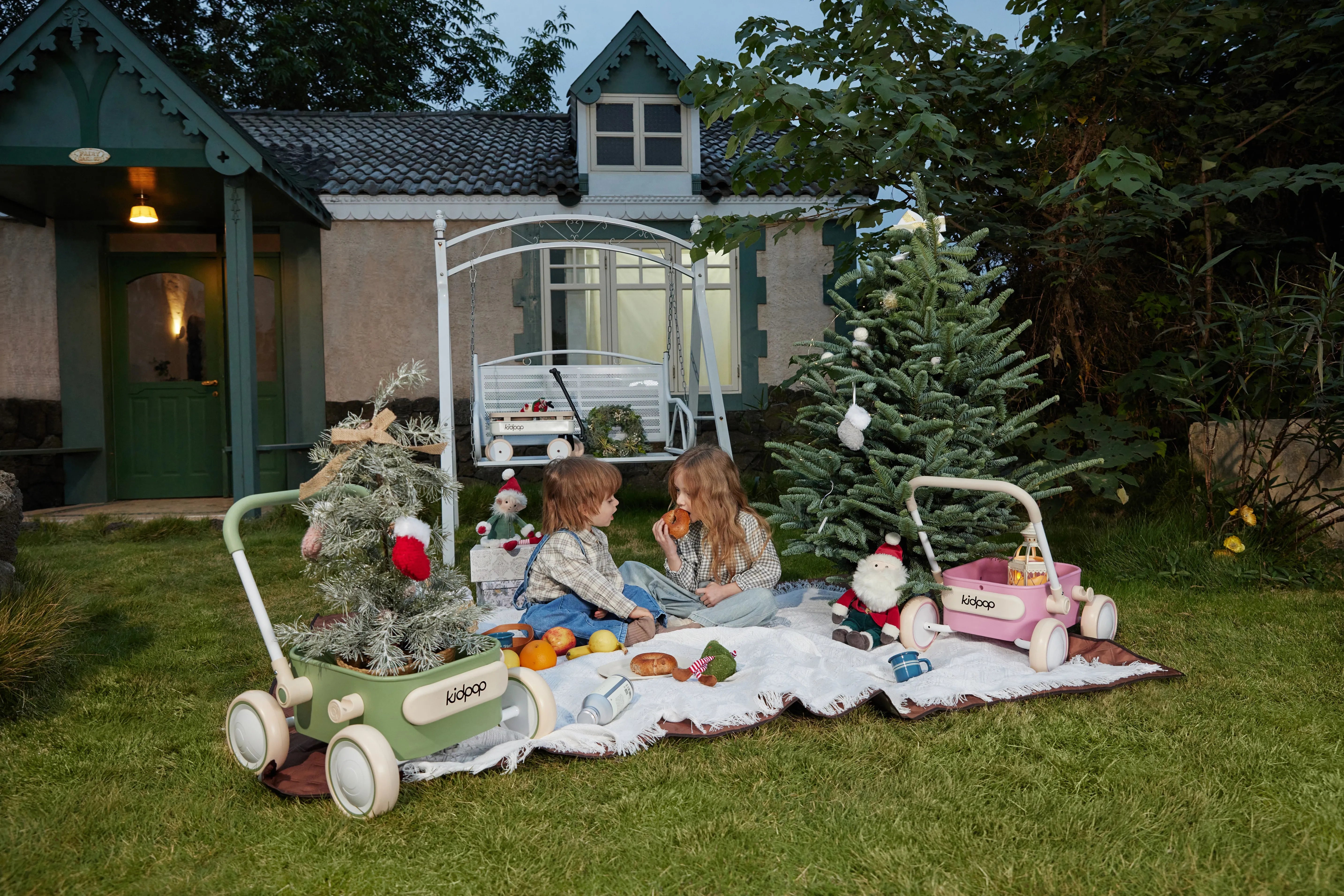
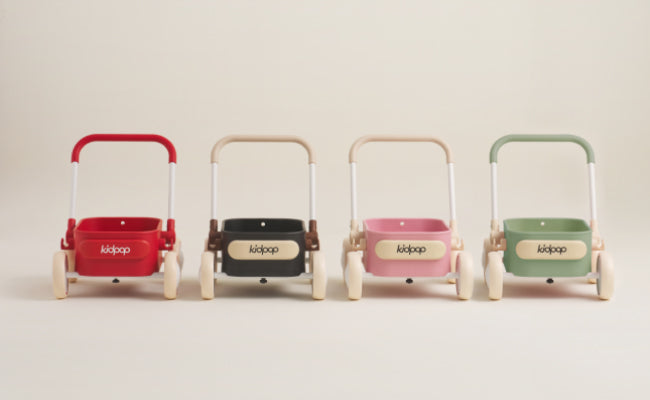
A push walk toy, also known as a push toy or walker wagon, is a stand-behind device. The baby must stand on their own two feet and hold onto a handle for stability. To move it, they must walk. This type of toy encourages natural weight-bearing and balance. It is widely considered the superior option for developmental health. This article focuses specifically on when to introduce this standing variety.
Signs Your Baby Is Ready for a Push Walker
There is no specific calendar date that applies to every child. While many parents ask "at what month," the answer depends on physical milestones. You should look for specific behaviors that indicate your child has the necessary core strength.
Pulling to Stand
The most obvious sign is when your baby starts pulling themselves up on furniture. This action demonstrates that their leg muscles can support their weight and their arms are strong enough to grip. If they can stand while holding onto a couch for stability, they are likely ready to try a push walk toy.
Cruising Furniture
"Cruising" is when a baby stands holding onto a coffee table or sofa and shuffles sideways. This lateral movement is a critical precursor to forward walking. It shows they are learning to shift their weight from one foot to the other while maintaining balance.
Independent Standing
If your baby can let go of the couch and stand unsupported for even a few seconds, they are definitely ready. At this stage, a push walk toy acts as a mobile support system, giving them the confidence to take forward steps without holding a parent's hand.
The General Age Range for Introduction
Most babies begin pulling to stand between 9 and 12 months of age. Consequently, this is the most common time to introduce a push walk toy.
Some early bloomers may be ready as young as 7 or 8 months. If your 8-month-old is already cruising along the sofa, you can introduce the toy under close supervision. Conversely, some babies take their time. It is perfectly normal for a child to start walking between 12 and 15 months. If your child is not pulling up yet, do not force the walker. Waiting until they are physically ready ensures a safer and more positive experience.
[[related_products_1]]
How to Introduce the Push Walker Safely
Simply handing the toy to your baby can sometimes be overwhelming or dangerous if the wheels move too fast. A gradual introduction is best.
When a baby first grabs the handle of a push walk toy, they will likely put all their weight on it. If the wheels spin freely, the toy can shoot forward, causing the baby to fall face-first. To prevent this, you should stabilize the walker. You can hold it firmly yourself while they pull up, or position it against a sofa so it cannot roll away.
Many modern baby walking toys have adjustable tension on the wheels. Set them to the stiffest setting so the walker moves slowly. If your model lacks this feature, using it on a carpeted floor adds natural friction. Alternatively, if it is a wagon-style walker, fill the basket with heavy books. The added weight makes the walker harder to push, giving the baby more control and stability.
Developmental Benefits of Push Toys
Using a stand-behind walker offers distinct physical advantages over holding a parent's hand or using a seated device.
Encourages Heel-to-Toe Gait
When a baby uses a seated baby walker, they often scoot on their tiptoes. A push walker forces them to plant their feet flat on the ground to generate forward momentum. This encourages the development of a proper heel-to-toe walking pattern, which is essential for long-term posture.
Builds Core and Arm Strength
To use the toy, the child must engage their core muscles to stay upright. They also use their arm and shoulder muscles to steer and stabilize the device. This full-body engagement helps build the strength required for independent walking.
Boosts Confidence
Fear of falling is a major barrier for new walkers. A push walk toy provides a safety net. It allows the child to explore their environment independently. This autonomy motivates them to practice more, which naturally speeds up the learning process.
Create a Safe Environment for Push Walker Practice
Once your baby starts moving, the potential for accidents increases. Preparing the environment is just as important as buying the right kids walker.
Clear the Path
Remove loose rugs, cords, and small toys from the floor. The wheels of a baby walker can easily get stuck on these items, causing the device to tip over. You need a clear, flat runway for them to practice.
Stair Safety
This is the most critical safety rule. You must install safety gates at the top and bottom of all stairs. A baby pushing a walker cannot stop quickly. If they approach a staircase, the momentum of the walker can pull them down. Never leave a child unattended with a mobility toy near stairs.
Corner Protection
As your baby learns to steer, they will inevitably bump into things. Cover sharp corners on coffee tables and cabinets with foam guards. This protects both the furniture and your baby from bumps and bruises.
When to Stop Using the Walker
The goal of a push walk toy is to bridge the gap between cruising and independent walking. Once your child is walking confidently on their own, the toy becomes less of a tool and more of a plaything.
Most children will naturally lose interest in using it for support once they can run. However, many baby walking toys are designed to be useful beyond this stage. Wagon-style walkers often become favorite toys for toddlers who enjoy transporting their blocks or stuffed animals around the house. At this stage, the device supports imaginative play rather than physical development.
FAQ
My baby walks on their toes when using the walker. Is this bad?
Walking on toes occasionally can be normal when children are still learning. Secondly, the push-walk toy usually encourages children to walk flat-footed compared to seated push toys. Therefore, if the child has been walking on toes for several months, consult a pediatrician to rule out any possible problems.
Can I use a push walker outside?
It all depends on the wheels. Most baby walk toys come equipped with plastic wheels that are appropriate for indoor play. On rough concrete, they tend to shake violently or even break apart. But for outdoor play, get one that is made for pavement or grass terrain and has rubberized tires.
What if my baby is afraid of the walker?
Don’t push it. If your infant cries or resists holding the handle, just set the toy aside for a few weeks. Perhaps they aren’t developmentally ready or confident enough. Try it out on them after they’ve developed strength in their core.
